Industrial and Commercial Power Station Design Guide
Master how to design an industrial solar PV project, from system sizing and transformers to distribution boxes, protection, and installation.
2026/10/08
Reading volume: 2
News Details
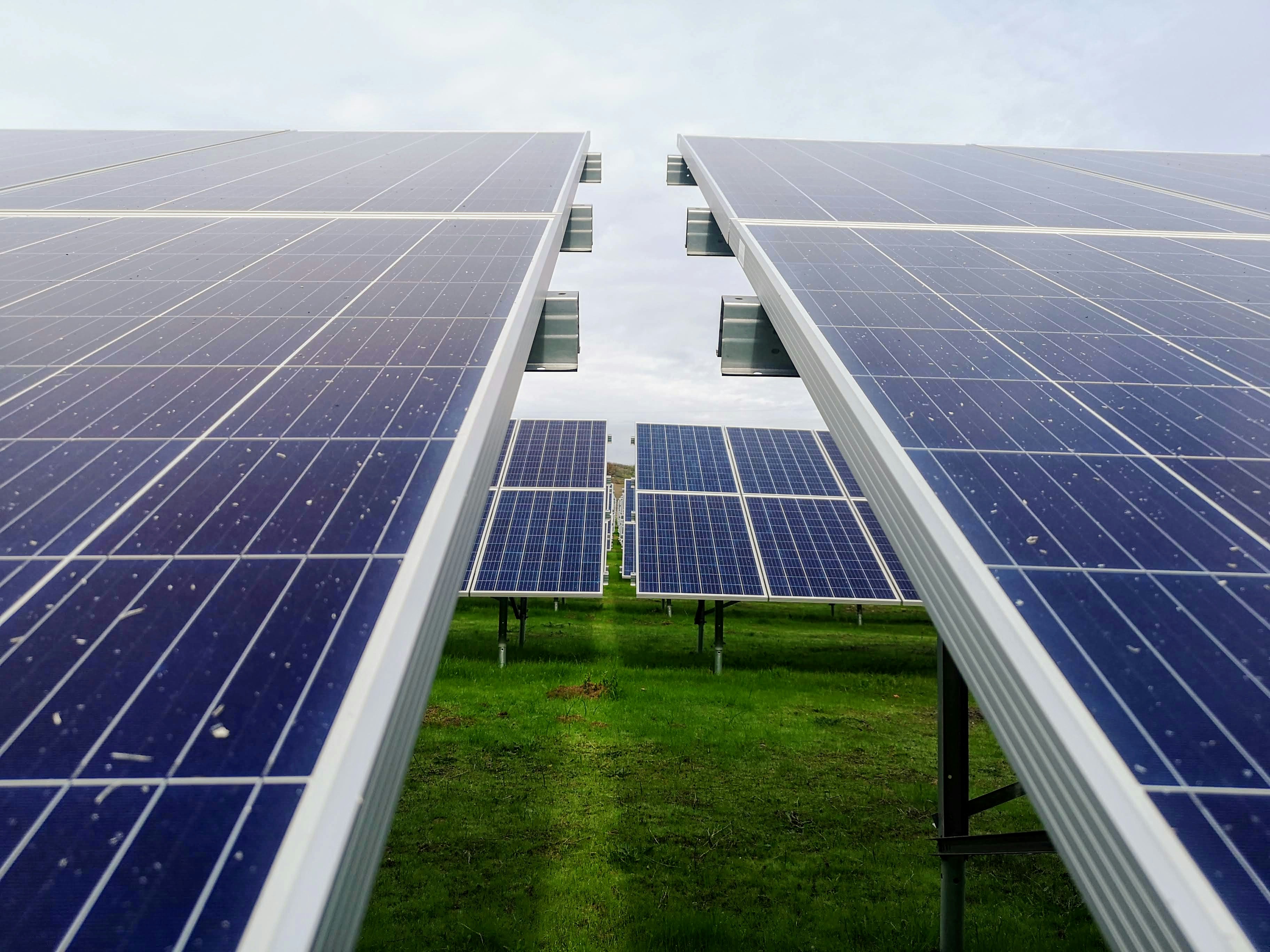
Industrial facilities use a large amount of electricity every day. As energy costs rise, more factories and plants are turning to solar power to reduce grid use and improve energy planning. However, a successful solar PV project needs more than solar panels. It also requires careful system design, suitable electrical equipment, and a clear installation plan.
This solar PV project design guide explains the key steps for industrial facilities. It also covers how transformers, distribution boxes, and other electrical equipment support a reliable PV system.
Understand Industrial Solar PV Project Requirements
The first step in a solar PV project is to understand the facility's power needs. Different factories have different load patterns. For example, a production plant may use most of its electricity during the day, while a warehouse may have a lower and more stable load.
Before system design begins, engineers should review:
- Annual and monthly electricity use
- Daily load patterns
- Peak power demand
- Available roof or ground area
- Existing electrical systems
- Local grid connection rules
- Future power demand
- Installation and maintenance conditions
By checking these factors first, the project team can choose a suitable PV system size and electrical layout.
Choose the Right Solar PV System Size
System size is a key part of industrial PV project design. A system that is too small may not provide enough energy savings. On the other hand, an oversized system may increase the initial investment without providing the expected value.
The design team should compare the expected solar output with the facility's electricity demand. In addition, local solar conditions, roof direction, shading, and available installation space should be considered.
For many industrial facilities, rooftop solar is a practical choice because it makes use of existing building space. Ground-mounted PV systems can also be used when enough land is available.
Plan the Industrial PV Electrical System
A solar PV system needs a complete electrical structure. Solar panels generate DC power, while most industrial equipment uses AC power. Therefore, inverters and other electrical equipment are needed to connect the PV system to the facility's power network.
A typical industrial solar PV project may include:
- Solar PV modules
- Solar inverters
- DC and AC distribution equipment
- Transformers
- Distribution boxes
- Protection devices
- Monitoring systems
- Grid connection equipment
- Cables and electrical accessories
Each part must work together. Therefore, electrical capacity, voltage levels, protection, and equipment layout should be checked during the design stage.
Select Suitable Transformers for Solar PV Projects
Transformers are important in many large industrial PV projects. They help change the voltage to a suitable level for internal use or grid connection.
The right transformer depends on the project's power capacity, voltage requirements, installation location, and operating conditions. For example, a pad mounted transformer can be a suitable option for outdoor solar power systems where compact equipment and organized installation are needed.
For industrial facilities, transformer selection should consider:
- Rated capacity
- Input and output voltage
- Installation environment
- Cooling method
- Protection requirements
- Space limitations
- Grid connection requirements
A properly selected transformer helps create a stable connection between the solar PV system and the electrical network.
Use Reliable Distribution Boxes for Industrial PV Systems
Distribution boxes also play an important role in solar PV projects. They help organize power distribution and provide protection for electrical circuits.
Industrial projects may require different types of distribution boxes based on the installation environment. For outdoor applications, waterproof and weather-resistant designs can help protect internal electrical components.
KUOYUprovides electrical equipment for different power distribution needs, including distribution boxes and distribution cabinets. Its product range can support industrial electrical systems and solar PV project applications. For projects with specific size, structure, or configuration requirements, customized solutions can also be considered.
Consider Outdoor Installation Conditions
Many solar PV systems are installed outdoors. Therefore, the electrical equipment must be suitable for the local environment.
The design should consider:
- Rain and moisture
- Dust
- Temperature changes
- Sun exposure
- Wind
- Corrosion
- Available installation space
For example, outdoor distribution equipment may need a suitable enclosure and protection level. In coastal or humid areas, material selection and surface treatment are also important.
By considering these conditions early, the project can reduce equipment problems and make future maintenance easier.
Plan PV Protection and Safety Measures
Safety is another important part of solar PV project design. A complete industrial PV system should include suitable electrical protection.
Depending on the system design, protection may include overcurrent protection, short-circuit protection, grounding, surge protection, and other safety measures.
The protection system should match the voltage and current levels of the PV system. It should also follow local electrical codes and project requirements.
In addition, equipment should be placed in suitable locations so that inspection and maintenance can be carried out safely.
Match Solar PV Design with Factory Power Loads
Industrial electricity demand can change during the day. Some factories have large motors and production machines that create high peak loads. Others may have relatively stable power use.
Therefore, PV system design should consider the facility's actual load profile rather than only the available roof area.
For example, if a factory uses most of its electricity during daylight hours, a rooftop PV system may help reduce the amount of electricity purchased from the grid during production hours.
However, if electricity demand is low during the day, the project team may need to consider energy storage, grid export rules, or other system options.
Consider Energy Storage in Industrial Solar PV Projects
Energy storage can be added to some industrial solar projects. Batteries can store excess solar power and provide electricity when solar output is lower.
An industrial solar PV system with energy storage may help facilities manage power demand and make better use of solar energy. However, storage is not required for every project.
The decision should be based on factors such as:
- Electricity prices
- Peak demand charges
- Solar generation
- Load patterns
- Grid rules
- Battery cost
- Required backup capacity
Therefore, energy storage should be evaluated as part of the overall project plan.
Work with an Experienced Electrical Equipment Supplier
A solar PV project involves many electrical components. Choosing suitable equipment suppliers can make project planning and installation easier.
KUOYU focuses on electrical equipment and power distribution solutions. Its product range includes transformers, distribution boxes, distribution cabinets, and other high- and low-voltage electrical equipment.
For industrial solar PV projects, KUOYU can provide equipment based on project requirements. Custom sizes and configurations can also be discussed when standard products do not fully match the application.
This approach can help project teams coordinate electrical equipment more efficiently.
Plan Installation and Maintenance from the Start
A good solar PV project design should consider maintenance before construction begins. Equipment should have enough space for inspection and repair. At the same time, cables, distribution boxes, transformers, and other equipment should be arranged in an organized way.
It is also useful to create a clear maintenance plan. Regular inspection can help identify loose connections, damaged components, overheating, or other issues at an early stage.
As a result, proper planning can help keep the PV system running reliably over the long term.
Build a Reliable Solar PV Project for Industrial Facilities
A successful industrial solar PV project starts with careful planning. From system size and load analysis to transformers and distribution equipment, every part affects the final system.
Therefore, industrial facilities should look at the complete electrical system instead of focusing only on solar panels. Suitable equipment, proper protection, practical installation, and easy maintenance can all improve project performance.
With the right design and reliable electrical equipment, solar PV can become a practical part of an industrial facility's energy system. KUOYU's transformers, distribution boxes, distribution cabinets, and related electrical products can support different industrial power distribution and solar project requirements.
Share to:


