Best Practices for Photovoltaic Project Installation and Maintenance
Master best practices for the installation and upkeep of photovoltaic projects, covering site planning, electrical safety, system inspections, and long-term maintenance.
2026/10/15
Reading volume: 0
News Details
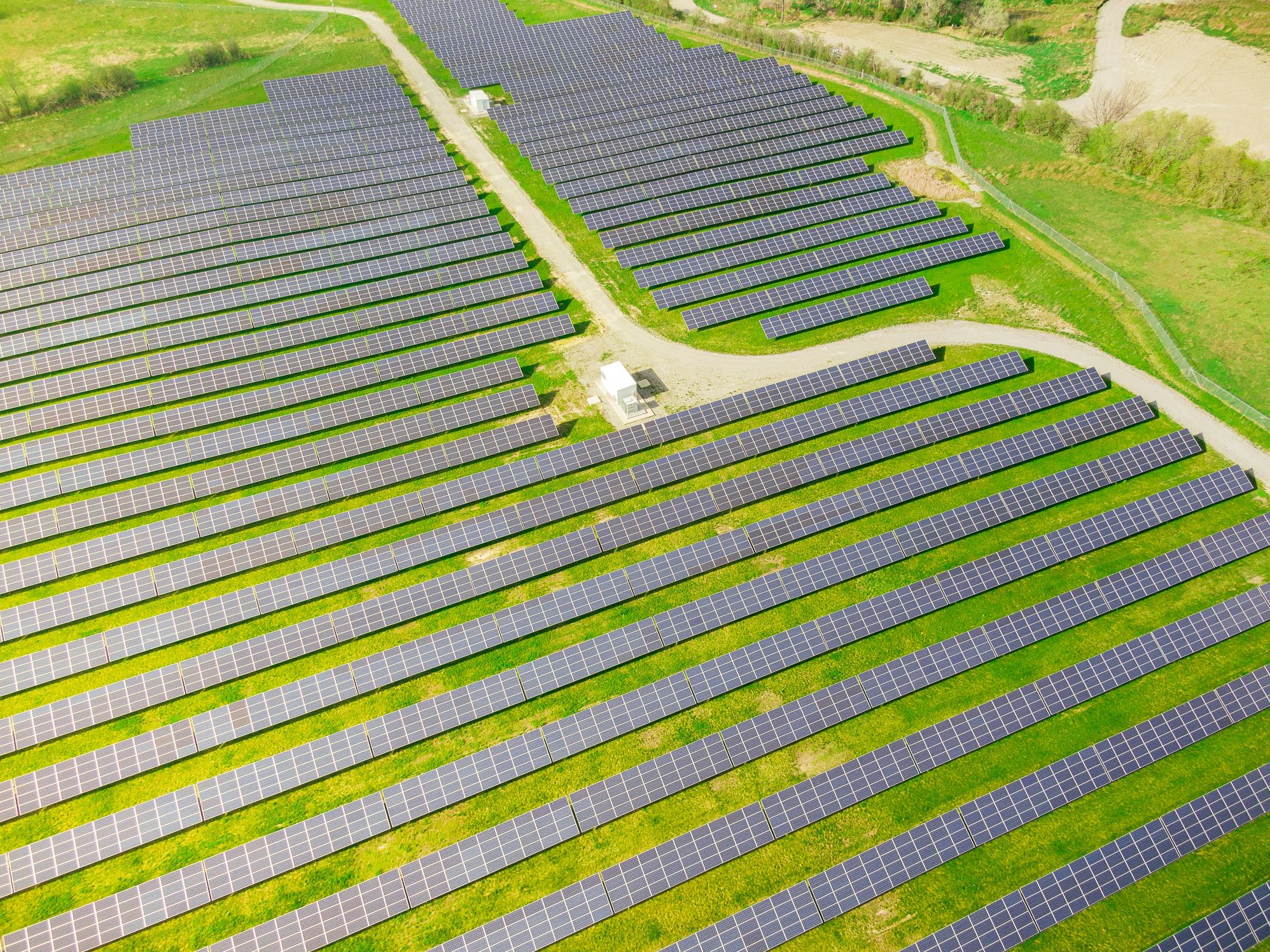
Why Photovoltaic Project Installation and Maintenance Matter
Solar photovoltaic (PV) systems turn sunlight into electricity. They are widely used in homes, factories, commercial buildings, and solar power plants. However, a reliable solar project needs more than quality panels. It also needs proper installation, suitable electrical equipment, and regular maintenance.
Good installation helps the system work safely and smoothly. In addition, regular checks can find problems early and reduce downtime. Therefore, project owners should plan each step carefully, from site checks to long-term maintenance.
KUOYUprovides electrical equipment, including transformers, distribution boxes, and distribution cabinets. These products may support the power distribution needs of suitable solar projects.
Key Steps for Photovoltaic Project Planning
Good planning helps reduce delays, control costs, and avoid common problems. Before work begins, check the site, power needs, and local rules.
Check the Site and Solar Conditions
First, make sure the site has enough space and sunlight. Check for shadows from trees, buildings, and other objects. For rooftop projects, inspect the roof structure and waterproofing. For ground-mounted systems, check the soil, drainage, and support needs.
These checks help the team choose the right installation method and reduce future repair work.
Design the Electrical System
Next, prepare a clear system design. It should cover solar panels, inverters, cables, protection devices, grounding, transformers, and distribution equipment.
Also, check the system voltage, expected power output, and grid connection needs. Each part must match the design to support safe and stable operation.
Choose the Right Electrical Equipment
Electrical equipment plays an important role in solar power projects. Before buying, check the rated voltage, current, capacity, protection level, and installation conditions.
Transformers help adjust voltage when the system needs to connect to a power network. Distribution boxes and cabinets hold electrical connections and suitable protection devices.
KUOYU offers oil-immersed transformers, pad-mounted transformers, and power distribution boxes and cabinets. Project buyers should confirm product ratings, technical details, and customization options with the supplier before ordering.
Photovoltaic Project Installation Best Practices
Once the design is ready, the team can begin installation. However, all work should follow the approved plans, product instructions, and local electrical rules.
Install Solar Panels Correctly
Follow the planned layout when installing panels and mounting parts. Use the right fasteners and check that each part is secure. For rooftop systems, protect the roof and seal mounting points as needed.
After installation, check the panel layout, mounting points, and visible damage. This step helps find problems before the system starts working.
Follow Electrical Safety Rules
Electrical safety is essential during solar installation. Only trained and qualified workers should handle electrical work.
Check that cables, connectors, inverters, and protection devices match the system design. Install grounding and bonding systems as required. Also, keep cables away from sharp edges, heat, and water.
Solar panels can produce electricity whenever they receive light. Therefore, workers must follow proper safety and isolation steps before handling electrical parts.
Install Transformers and Distribution Boxes Properly
Transformers and distribution equipment help manage power flow in many commercial and large solar projects.
Before installing a transformer, check its capacity, voltage, cooling needs, and location. For distribution boxes and cabinets, confirm the rated current, voltage, and enclosure protection level.
Outdoor equipment may need extra protection against rain, dust, and corrosion. Also, leave enough space for inspection and repair.
KUOYU's transformer and distribution equipment range can be considered for suitable photovoltaic projects. Buyers should share their project plans, voltage needs, and site conditions with the supplier to confirm the right products.
Test the System Before Use
After installation, inspect and test the system before putting it into normal operation.
Check the following items:
- Solar panels and mounting parts
- Cable connections and polarity
- Grounding and insulation
- Inverter settings and alarms
- Transformer connections and protection
- Distribution box wiring and safety devices
Record the test results and fix any problems before commissioning. All tests should follow the relevant standards and equipment instructions.
Photovoltaic System Maintenance Best Practices
Regular maintenance helps keep a solar system in good condition. It can also reduce unexpected faults and repair costs.
Clean and Inspect Solar Panels
Dust, leaves, and bird droppings can block sunlight and lower power output. Therefore, inspect the panels regularly and clean them when needed.
Use suitable cleaning tools and follow the panel maker's instructions. Avoid methods that may scratch the glass or damage the panels. Also, check the mounting parts and cables for damage after severe weather.
Monitor Solar Power Output
Check the system's power output, inverter status, and warning messages on a regular basis. Compare actual output with expected results while allowing for changes in weather and sunlight.
If output drops without a clear reason, check for dirty panels, shadows, inverter faults, or cable problems. Keeping records also helps the team find changes in system performance.
Check Inverters and Electrical Connections
Inspect inverters for warning messages, blocked air vents, and signs of overheating. Keep the area around the equipment clean and follow the maker's service plan.
Loose or damaged electrical connections can cause heat, power loss, or safety risks. Qualified workers should inspect these parts and follow the correct isolation steps before repair.
Maintain Transformers and Distribution Equipment
Transformers and distribution boxes also need regular checks. Inspect transformers for leaks, unusual noise, damaged parts, and cooling problems. For oil-immersed transformers, check for oil leaks and follow the maker's service instructions.
For distribution boxes and cabinets, look for moisture, dust, rust, damaged seals, and signs of overheating. Also, check protection devices and make sure the enclosure suits the installation area.
The inspection schedule should match the equipment type, site conditions, and maker's instructions. If a fault affects safety, isolate the equipment as required and repair it before returning it to service.
Keep Maintenance Records
Record each inspection, test result, fault, and repair. Also, keep electrical drawings, product manuals, and commissioning reports.
These records help the team track equipment condition and plan future repairs. As a result, project owners can manage maintenance more clearly and reduce avoidable downtime.
Common Photovoltaic Project Mistakes to Avoid
Some common mistakes can affect solar system safety and performance. Fortunately, good planning and regular checks can help prevent them.
Choosing unsuitable equipment: Check voltage, current, capacity, and protection levels before buying transformers or distribution boxes.
Skipping system tests: Complete the required checks before the system starts operating.
Ignoring warning signs: Investigate unusual noise, oil leaks, repeated alarms, and signs of overheating early.
Delaying maintenance: Follow a regular inspection plan instead of waiting for equipment to fail.
Ignoring weather conditions: Choose suitable equipment for local heat, rain, dust, humidity, and corrosion risks.
How KUOYU Supports Photovoltaic Projects
Electrical equipment is an important part of a solar power system. The right products help meet power distribution needs and support safe operation.
KUOYU provides electrical equipment such as oil-immersed transformers, pad-mounted transformers, distribution boxes, and distribution cabinets. Depending on the project design, these products may be suitable for commercial or utility-scale photovoltaic applications.
When choosing equipment, buyers should check voltage, capacity, installation space, protection needs, and local standards. They should also confirm the product specifications and available customization options with KUOYU.
Visit the KUOYU official website to learn more about its electrical equipment and product range.
Conclusion
Photovoltaic project installation and maintenance require careful planning, safe electrical work, and regular inspections. First, check the site and prepare a clear system design. Next, install the panels and electrical equipment according to the approved plans. Then, test the system before use.
After commissioning, monitor power output, inspect key equipment, and fix problems early. At the same time, choose transformers and distribution equipment that match the project needs.
With proper installation, suitable equipment, and regular maintenance, solar project owners can reduce faults, improve system reliability, and support long-term operation.
Share to:


