Pad Mounted Transformer Specifications Buyers Should Know
News Details
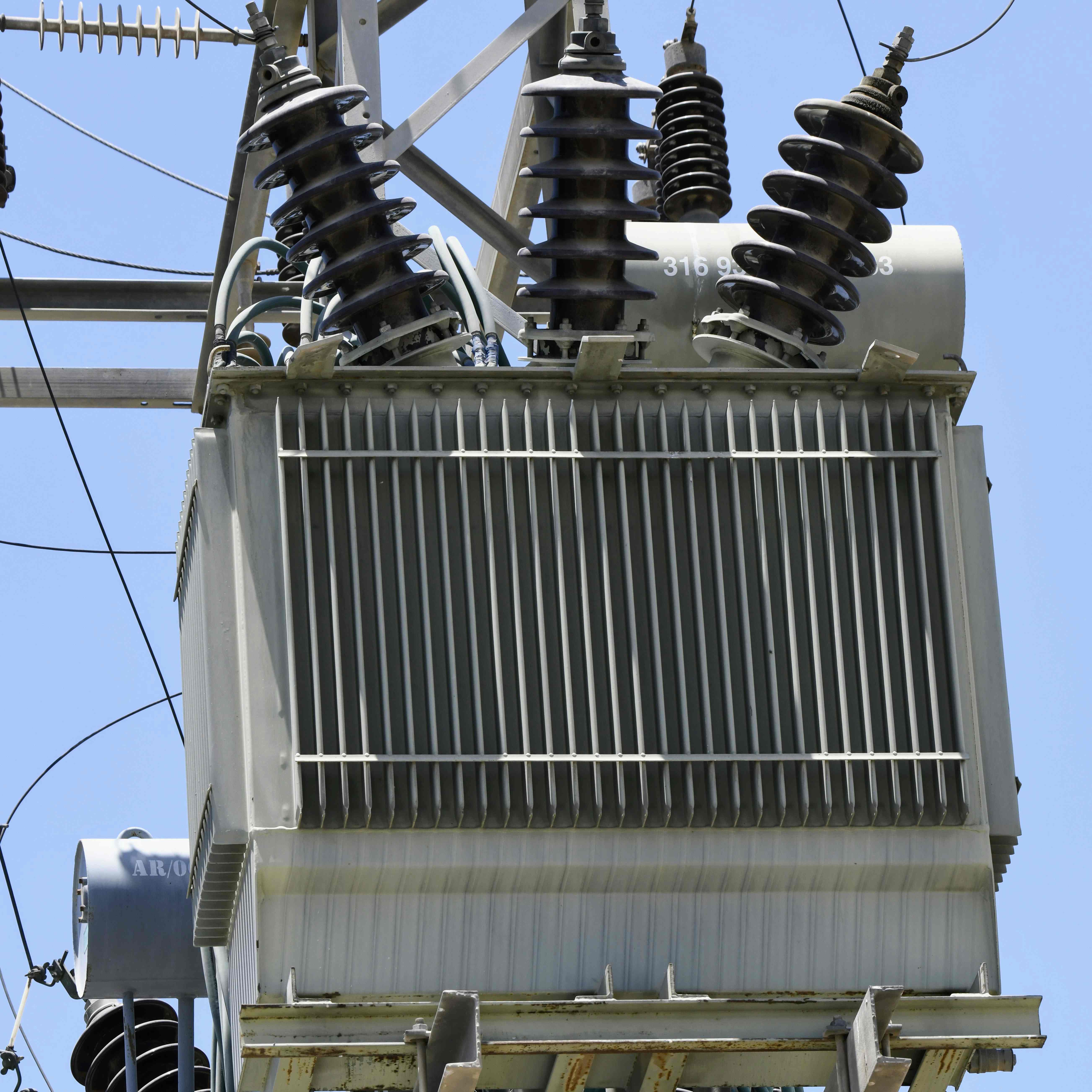
A pad-mounted transformer is a critical element in many outdoor power distribution systems. These devices step down medium-voltage electricity to a lower voltage usable by buildings, factories, and other facilities. You can typically find these transformers serving residential areas, commercial sites, industrial parks, and renewable energy installations.
However, selecting the right unit involves more than just evaluating the price or power capacity. Buyers must also assess voltage ratings, phase configuration, cooling methods, enclosure design, safety features, and installation requirements. These technical details directly influence the transformer's operational efficiency and overall service lifespan for the project.
So, what pad-mounted transformer specifications should buyers verify before placing an order? This guide breaks down the essential technical points and outlines how to select an appropriate power distribution solution.
1. Pad-Mounted Transformer Capacity and kVA Rating
Capacity is one of the primary specifications to evaluate. It indicates the maximum electrical load a transformer can safely handle under its standard operating conditions. Manufacturers typically list this rating in kilovolt-amperes (kVA).
Before selecting a capacity, buyers should perform a detailed review of the site's total power demand. This assessment must account for current equipment loads, lighting systems, HVAC (Heating, Ventilation, and Air Conditioning) units, production machinery, and all other connected electrical loads.
It is equally vital to factor in future demand. For example, a manufacturing facility might plan to add new machinery, while a commercial building may undergo an expansion. Consequently, choosing a transformer sized only for the present load will likely lead to operational issues down the line.
When comparing pad-mounted transformer specifications, consider the following points:
- Total connected load for the project
- Projected peak demand
- Anticipated future load growth
- Starting currents for motors and heavy equipment
- Required reserve capacity
An undersized transformer is susceptible to frequent overloads and overheating. Conversely, an oversized unit increases initial capital expenditure and causes unnecessary energy losses during operation. Therefore, buyers should collaborate with qualified electrical engineers to determine the correct kVA rating.
2. Primary and Secondary Voltage Ratings
Voltage ratings represent another fundamental aspect of transformer selection. A pad-mounted transformer functions by converting incoming medium-voltage electricity into a lower, usable voltage for end-users.
The primary voltage refers to the input side of the transformer, while the secondary voltage denotes the output side. Both must align perfectly with the local power grid and the specific electrical equipment used at the site.
For instance, certain projects integrate medium-voltage distribution networks that require a voltage reduction to power buildings or machines. However, the precise voltage combination is dictated by the local grid standards, utility provider regulations, and the overall project design.
Before placing an order, buyers must confirm the following:
- Rated primary voltage
- Rated secondary voltage
- System frequency (e.g., 50 Hz or 60 Hz)
- Permissible voltage tolerance
- Availability of voltage adjustment or tap-changing options
- Local utility connection requirements
Additionally, buyers should verify that the transformer supports the required voltage configuration. A mismatch can result in connection failures, poor performance, or costly post-purchase modifications.
3. Single-Phase or Three-Phase Pad-Mounted Transformer
The phase configuration determines how a transformer integrates with the power system and the type of loads it can efficiently supply.
A single-phase transformer is typically utilized for lighter loads and specific residential or rural power distribution networks. In contrast, a three-phase transformer is standard in commercial buildings, industrial facilities, and larger-scale distribution networks.
Three-phase power is usually the optimal choice for sites housing large motors, production lines, or other heavy electrical machinery. It also facilitates a balanced distribution of power across the three electrical phases.
When determining the appropriate phase type, buyers should evaluate:
- The existing power supply infrastructure
- The nature of the connected equipment
- Total electrical demand
- Local grid compliance standards
- Future expansion blueprints
Crucially, the phase configuration must align with the project's design requirements. Buyers should verify this aspect before requesting a formal quotation.
4. Cooling Type and Insulation System
Cooling systems play a pivotal role in transformer performance. During operation, a transformer generates heat. If this heat is not dissipated effectively, it can degrade the internal insulation and significantly shorten the equipment's service life.
Oil-immersed transformers rely on insulating oil to facilitate both cooling and electrical insulation. These units are widely utilized in power distribution systems and outdoor applications.
Dry-type transformers utilize air or alternative cooling methods instead of insulating oil. They are often favored for projects with specific indoor installation requirements or stringent fire-safety regulations.
For a pad-mounted transformer, buyers should explicitly confirm the cooling method and the complete insulation design. They must also evaluate the expected operating temperature range and the specific environmental conditions at the installation site.
provides a range of transformer products for power distribution projects, including oil-immersed transformer solutions. Its flagship American-style combined substation features an oil-immersed transformer design housed within a compact, fully enclosed, insulated structure. This integrated solution is a viable option for projects requiring robust outdoor distribution equipment. The final configuration, however, should be tailored to the project's specific technical requirements.5. Enclosure Design and Outdoor Protection
Pad-mounted transformers are generally installed outdoors. Consequently, their enclosures must be engineered to protect internal components from weather elements, dust, and unauthorized access.
Buyers should meticulously review the enclosure's material, surface treatment, sealing mechanisms, ventilation, and ingress protection (IP) rating. These features dictate the unit's reliability and longevity in various environmental conditions.
For example, a project located near a coastline will face salt spray and heightened corrosion risks. An industrial site might expose the transformer to dust, moisture, or chemical agents. Therefore, the enclosure must be specified to withstand the actual installation conditions.
Key technical details to verify include:
- Enclosure material and wall thickness
- Anti-corrosion protection and surface coating
- Weather resistance
- Ingress protection rating against dust and water
- Door and locking mechanism design
- Cable entry and exit configurations
6. Safety Features and Protection Devices
Safety is a paramount concern when procuring a pad-mounted transformer. The unit is typically deployed in proximity to residential homes, office buildings, factories, or public areas. Hence, its design must prioritize the protection of both human operators and the electrical infrastructure.
The precise array of protection devices is dictated by the transformer's design and adherence to local safety standards. Nevertheless, buyers should inquire with the manufacturer about the following essential components:
- High-voltage protection mechanisms
- Low-voltage circuit protection
- Internal fault detection and isolation
- Pressure relief mechanisms (where applicable)
- Grounding and bonding points
- Safety interlocks for accessing high-voltage and low-voltage compartments
- Mechanical interlocking and locking systems
Furthermore, buyers should confirm whether the transformer includes the required switching and protective components. Some projects may demand specific fuse arrangements, load-break switches, or other ancillary devices.
Do not assume that every pad-mounted transformer shares an identical safety configuration. Instead, request a detailed bill of materials and technical drawings prior to commencing production.
7. Transformer Efficiency and No-Load Losses
Efficiency has a direct impact on the long-term cost of owning a transformer. Even when a transformer is not operating at its full rated load, it continuously consumes a certain amount of energy.
Two critical metrics in this regard are no-load loss and load loss.
No-load loss occurs when the transformer is energized but supplying minimal or zero load. This loss is primarily attributable to the magnetic core.
Load loss varies with the electrical current flowing through the transformer. It predominantly stems from resistance within the windings and other load-dependent phenomena.
Both values are indispensable when comparing different products. A transformer characterized by lower losses can substantially reduce energy expenditures over its operational lifespan.
Accordingly, buyers should request the following technical data:
- Rated no-load loss
- Rated load loss
- Impedance voltage
- Efficiency curves or data (where available)
- Compliance with applicable energy efficiency standards
However, buyers should not judge efficiency based on a single figure alone. They must also consider the specific load profile, annual operating hours, purchase cost, and local energy tariffs.
8. Impedance, Frequency, and Tap Changer Options
Certain technical specifications may appear secondary at first glance. Nonetheless, they can profoundly affect system performance and overall compatibility.
Transformer impedance influences the voltage drop and the magnitude of fault currents. Consequently, it must be engineered to integrate seamlessly with the broader power system design.
Frequency is another critical parameter. A transformer rated for a 50 Hz system should never be assumed to operate effectively on a 60 Hz system without consulting the manufacturer's specifications.
Tap changers facilitate the adjustment of output voltage within a predefined design range. Depending on the model, a transformer may utilize an off-circuit tap changer or an alternative voltage regulation method.
Before placing an order, buyers should confirm the following:
- Rated frequency
- Impedance percentage
- Type of tap changer
- Available tap positions
- Voltage adjustment range
- Short-circuit withstand requirements
These technical details should be thoroughly reviewed by the project's electrical engineer. They are essential for ensuring the transformer functions harmoniously with the rest of the distribution system.
9. Installation Space and Cable Connection Requirements
A suitable transformer must physically fit within the designated installation site. Buyers should not concentrate exclusively on electrical ratings. They must also evaluate the physical dimensions and connection interfaces.
A pad-mounted transformer requires a stable foundation or concrete pad. The site must also provide sufficient clearance for cable connections, routine inspections, maintenance activities, and safe operation.
Before ordering, confirm the following:
- Overall dimensions and weight
- Foundation or concrete pad specifications
- High-voltage cable entry point
- Low-voltage cable entry point
- Cable type and termination method
- Required working and maintenance clearances
- Grounding configuration
Additionally, buyers should consult local utility regulations and electrical codes. Some utility providers impose strict requirements regarding transformer accessibility, clearances, grounding, and connection methodologies.
A meticulously planned installation layout helps prevent project delays and minimizes unforeseen labor costs after equipment delivery.
10. Standards, Testing, and Technical Documentation
A reliable transformer must meet the standards mandated by the project and the destination market. However, specific compliance standards vary significantly by country, utility provider, and application.
For this reason, buyers should not rely on vague statements such as "international standards." Instead, require the supplier to explicitly identify the precise standards and testing protocols applicable to the product.
Essential documentation may include:
- Product technical datasheet
- General arrangement drawings
- Wiring or connection diagrams
- Routine test reports
- Material and component specifications
- Applicable compliance certificates
- Installation and operation manuals
Buyers should also ascertain which tests are conducted prior to shipment. These may include winding resistance tests, voltage ratio checks, insulation tests, and other assessments required by the prevailing product standards.
Comprehensive technical documentation enables the project team to thoroughly review the design and prepare adequately for installation.
11. Why Consider KUOYU for Pad-Mounted Transformer Projects?
Selecting the right supplier is equally as crucial as choosing the correct technical specifications. A competent manufacturer should possess a deep understanding of your project requirements and provide transparent product information before production commences.
KUOYU, operated by Hebei Kuoyu Electric Power Technology Co., Ltd., specializes in the supply of high- and low-voltage electrical equipment. Established in 2017, the company operates from a 20,000-square-meter production facility and holds ISO 9001 certification.
Its product catalog encompasses transformers, distribution boxes, distribution cabinets, and pad-mounted transformers. KUOYU also offers an American-style combined substation distinguished by its compact, fully enclosed, and insulated structure. The product features an oil-immersed transformer design and supports both ring-network and terminal power supply configurations.
Furthermore, KUOYU excels in the production of customized electrical equipment. Buyers can submit CAD drawings, single-line diagrams, or outline key technical requirements. The engineering team will then generate design drawings for customer review prior to initiating manufacturing.
This collaborative approach allows buyers to address specific project needs such as:
- Transformer capacity and voltage configuration
- Equipment structure and dimensional constraints
- Cable entry and exit methodologies
- Component selection and sourcing
- Project-specific design requirements
For buyers seeking a comprehensive outdoor power distribution solution, KUOYU's extensive range of transformer and distribution equipment warrants careful consideration. However, it is imperative to confirm the exact pad-mounted transformer model, available ratings, applicable standards, and testing documentation with the supplier before finalizing any purchase.
Conclusion: Verify Every Pad-Mounted Transformer Specification Before Purchase
A pad-mounted transformer represents a long-term investment in a power distribution infrastructure. Therefore, buyers must look beyond the initial purchase price and conduct a comprehensive review of all critical specifications.
Begin by evaluating capacity, primary and secondary voltages, and the phase configuration. Subsequently, scrutinize the cooling mechanism, enclosure protection, safety devices, and energy loss profiles. Finally, confirm the installation layout, technical documentation, and compliance with required standards.
Most importantly, ensure the transformer is perfectly matched to the actual project conditions. A clear and detailed technical specification list is instrumental in comparing suppliers, minimizing design modifications, and averting complications during the installation phase.
If you are currently planning an outdoor power distribution project, please do not hesitate to contact KUOYU
to discuss your specific requirements and finalize a suitable transformer configuration.


