Key Advantages of Using a Pad Mounted Transformer
News Details
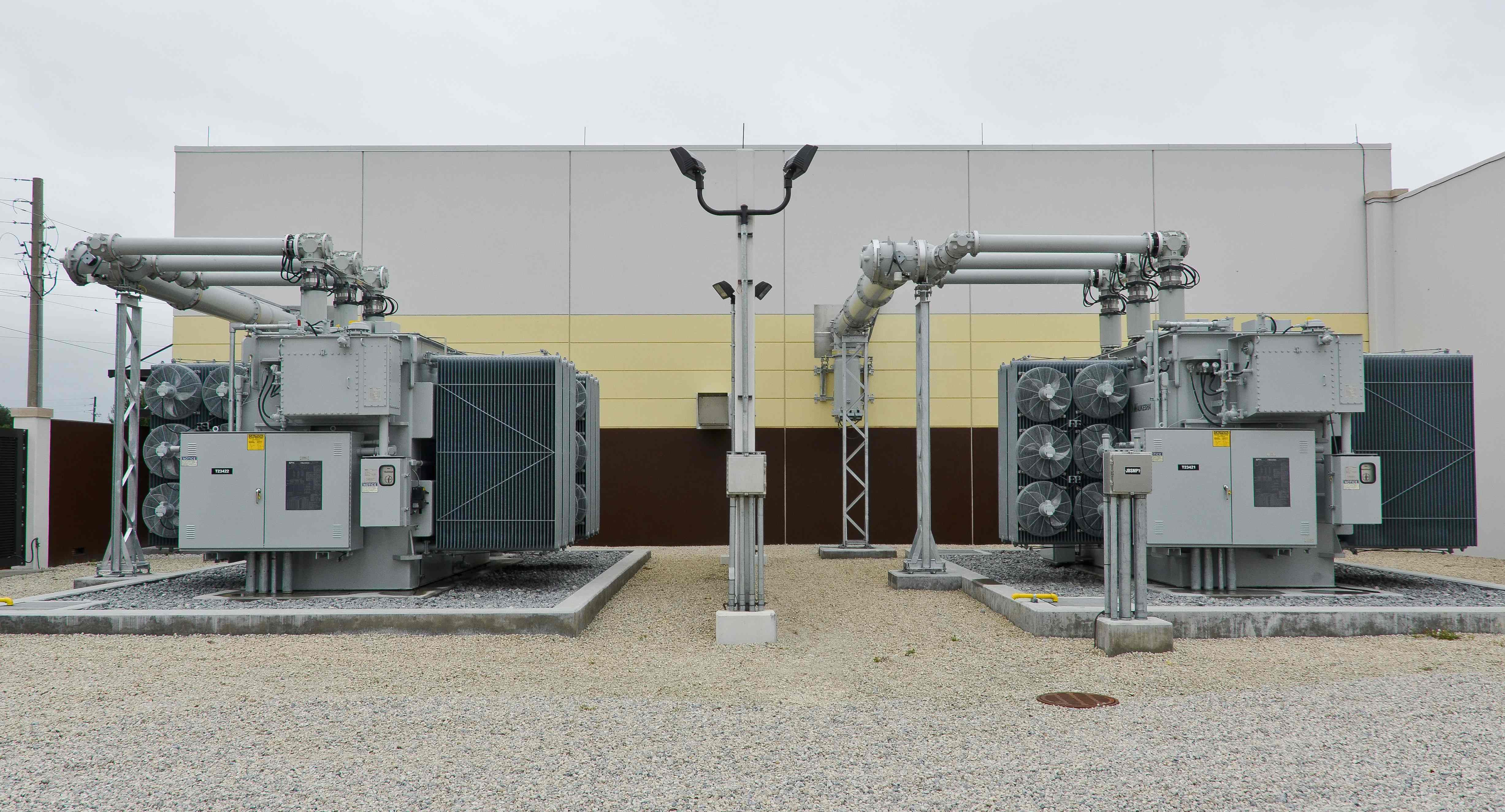
What is a Pad Mounted Transformer?
A pad mounted transformer is an electrical transformer designed for outdoor installation at ground level. It is usually placed on a concrete pad and connected to underground power cables. Its main job is to reduce medium voltage electricity to a lower voltage for homes, commercial buildings, and industrial facilities.
Unlike pole mounted transformers, pad mounted transformers have a closed metal enclosure. As a result, their main electrical parts are protected from direct contact and many outside conditions.
Today, pad mounted transformers are widely used in residential areas, shopping centers, factories, public facilities, and renewable energy projects. They offer a practical way to supply power while keeping electrical equipment organized and secure.
7 Key Benefits of Using a Pad Mounted Transformer
Pad mounted transformers offer several advantages for modern power distribution systems. Here are seven key benefits that make them a popular choice for outdoor projects.
1. Improved Safety with a Fully Enclosed Design
Safety is one of the main benefits of a pad mounted transformer. Its main components are housed inside a strong metal enclosure. Therefore, people are less likely to come into direct contact with live electrical parts.
In addition, the enclosure can help protect internal components from rain, dust, and other outside conditions. Lockable access doors also help limit access to authorized workers.
This design makes pad mounted transformers suitable for residential communities, commercial areas, and public spaces. However, proper grounding, protective devices, and safe installation are still essential.
2. Space-Saving Design for Outdoor Installation
Another important advantage is its compact ground-mounted structure. A pad mounted transformer does not need a utility pole or a separate indoor electrical room.
Instead, it can be installed on a suitable concrete pad in an outdoor area. This helps save indoor space and makes power distribution easier to arrange.
For example, residential communities can place transformers in planned utility areas. Similarly, factories and commercial buildings can install them near the areas that need power.
As a result, this design offers more flexibility for different project layouts.
3. Reliable and Stable Power Distribution
A stable power supply is important for homes, businesses, and industrial operations. Pad mounted transformers help reduce distribution voltage to the level required by connected electrical systems.
Moreover, a properly selected transformer can handle the expected electrical load and support long-term operation.
For industrial users, stable power distribution helps keep production equipment running. For residential projects, it supports daily electricity needs, including lighting, air conditioning, and household appliances.
Therefore, choosing the right transformer capacity and voltage rating is essential for reliable performance.
4. Lower Maintenance Requirements
Pad mounted transformers are designed for outdoor use. Their enclosed structure helps protect internal components from common environmental factors.
Consequently, they can reduce the need for frequent external cleaning and repairs caused by direct exposure. However, this does not mean that maintenance is unnecessary.
Regular inspections are still important. For example, technicians should check the enclosure, cable connections, grounding system, insulation, and signs of overheating.
For oil-immersed models, oil condition and possible leaks should also be checked. With proper maintenance, a pad mounted transformer can provide reliable service for many years.
5. Better Protection from Environmental Conditions
Outdoor electrical equipment must deal with changing weather and environmental conditions. These may include rain, dust, sunlight, humidity, and temperature changes.
A pad mounted transformer uses a protective enclosure to help reduce the impact of these conditions on its internal components.
In addition, suitable materials, surface treatments, and enclosure designs can improve its ability to work in different environments.
However, the protection level depends on the actual product design. Therefore, buyers should select the enclosure and protection options according to the local climate and installation conditions.
6. Flexible Installation for Different Applications
Pad mounted transformers are suitable for many types of power distribution projects. Their ground-level design makes them easier to include in planned outdoor electrical systems.
Common applications include:
-
Residential communities: Supplying electricity to houses, apartments, and residential buildings.
-
Commercial buildings: Supporting shopping malls, office buildings, hotels, and business centers.
-
Industrial facilities: Providing power for factory equipment, production lines, and other electrical systems.
-
Renewable energy projects: Supporting power distribution in solar and other energy projects.
-
Public infrastructure: Supplying electricity to schools, hospitals, parks, and other public facilities.
Because project needs are different, transformer capacity, voltage, dimensions, and internal configurations should be selected based on actual requirements.
7. Long Service Life and Good Long-Term Value
A pad mounted transformer is a long-term investment in a power distribution system. Its enclosed design, suitable insulation, and proper cooling system help support stable operation.
Furthermore, choosing the correct capacity can reduce unnecessary operating stress. Regular maintenance also helps identify problems before they lead to serious equipment failure.
Although the initial purchase price is important, buyers should also consider energy losses, maintenance costs, installation needs, and expected service life.
In this way, a suitable pad mounted transformer can offer good value over its working life.
How to Choose the Right Pad Mounted Transformer
Although pad mounted transformers offer many benefits, choosing the right model is still important. Different projects have different power needs. Therefore, buyers should consider the following factors before placing an order.
1. Transformer Capacity
First, calculate the total power demand of the project. The transformer capacity should meet current electrical needs and allow room for future growth.
A transformer that is too small may become overloaded. On the other hand, an oversized unit may increase the initial investment and operating costs.
2. Input and Output Voltage
Next, check the input and output voltage requirements. The transformer must match the local power grid and the electrical equipment it will supply.
Also, make sure the selected voltage configuration meets the project's technical standards.
3. Installation Environment
The installation location also affects transformer selection. For example, coastal areas may need better corrosion protection. Meanwhile, locations with high temperatures or heavy rain may require suitable cooling and enclosure designs.
Therefore, consider local weather, available space, and installation conditions before making a decision.
4. Product Quality and Safety Standards
Transformer quality has a direct effect on operating performance and service life. Buyers should check the materials, insulation system, production process, and quality control measures.
In addition, review the required electrical standards and certifications for the target market.
5. Customization and Supplier Support
Finally, choose a supplier that can provide suitable product options and technical support. Customization is useful when standard products cannot fully meet project requirements.
For example, buyers may need different dimensions, voltage ratings, capacities, or internal structures. A supplier with its own production facilities can offer more flexibility during product selection and production.
KUOYU Pad Mounted Transformer for Reliable Power Distribution
When choosing a pad mounted transformer manufacturer, product quality, production capacity, and customization options all matter.
KUOYU, also known as Hebei Kuoyu Electric Power Technology Co., Ltd., provides power distribution equipment for industrial, commercial, and infrastructure projects.
Founded in 2017, KUOYU has a production base of around 20,000 square meters in Shijiazhuang, China. The company focuses on high-voltage and low-voltage electrical equipment and has ISO 9001 certification.
Its pad mounted transformer products are designed for outdoor power distribution. Key product features include:
-
Reliable electrical performance: Designed to provide stable power distribution for different projects.
-
Protective enclosure: A fully enclosed structure helps protect internal components.
-
Flexible specifications: Transformer size, voltage, capacity, structure, and configuration can be customized.
-
Quality materials: Manufactured with quality materials and modern production processes.
-
Wide applications: Suitable for residential, commercial, industrial, renewable energy, and public infrastructure projects.
In addition to pad mounted transformers, KUOYU also supplies oil immersed transformers, power distribution boxes, and distribution cabinets. This allows customers to source different types of electrical distribution equipment from one manufacturer.
For projects with special technical requirements, KUOYU can provide customized solutions based on customer specifications.
Learn more about KUOYU products at KUOYU Official Website.
Frequently Asked Questions About Pad Mounted Transformers
1. What Is the Main Purpose of a Pad Mounted Transformer?
Its main purpose is to reduce medium voltage electricity to a lower voltage for end users. It is commonly used in residential, commercial, and industrial power distribution systems.
2. Are Pad Mounted Transformers Safe?
Yes. They use enclosed metal cabinets to reduce the risk of direct contact with live electrical components. However, proper installation, grounding, maintenance, and access control are still necessary.
3. How Long Does a Pad Mounted Transformer Last?
Its service life depends on product quality, operating conditions, electrical load, and maintenance. With proper design and regular care, a transformer can operate reliably for many years.
4. Do Pad Mounted Transformers Need Regular Maintenance?
Yes. Regular inspections help keep the equipment in good condition. Maintenance may include checking cable connections, enclosure conditions, grounding, insulation, and temperature. Oil-filled models also need suitable oil inspections.
5. Can Pad Mounted Transformers Be Customized?
Yes. Specifications can be adjusted to meet different project needs. Common customization options include rated capacity, input and output voltage, dimensions, enclosure structure, and internal configuration.
Conclusion: Why Choose a Pad Mounted Transformer?
A pad mounted transformer offers many benefits for modern power distribution systems. Its enclosed design improves safety, while its compact structure saves space and supports flexible outdoor installation. In addition, it provides reliable power distribution and can serve residential, commercial, and industrial applications.
However, selecting the right model is just as important as understanding its benefits. Buyers should consider transformer capacity, voltage, installation conditions, product quality, and long-term maintenance costs.
If you are looking for a reliable pad mounted transformer for your project, KUOYU offers product customization and power distribution equipment solutions to meet different technical requirements. Contact KUOYU to discuss your project needs.


