What Is a Pad Mounted Transformer and How Does It Work?
A pad-mounted transformer is a ground-level electrical device that steps down high distribution voltages to levels suitable for residential, commercial, or industrial use. It is sealed, weather-resistant, and commonly used in urban and suburban power distribution. ## How It Works Power from the utility grid arrives at the pad-mounted transformer through high-voltage incoming lines. Inside the transformer, the primary winding receives this high-voltage electricity and creates a magnetic field in the core. The secondary winding then converts that energy into a lower, usable voltage. From there, the power passes through low-voltage bushings and goes out to service lines, panelboards, or local loads. Because the unit is enclosed in a steel cabinet, the live parts are protected from weather, tampering, and accidental contact. ## Main Components of a Pad-Mounted Transformer A typical transformer on a concrete pad includes the following key parts: 1. **Core and Coils** The core and windings perform the actual voltage transformation. High-quality electrical steel and copper or aluminum windings improve efficiency and reduce energy loss. 2. **Tap Changer** A tap changer allows small voltage adjustments to compensate for line variations. Many pad-mounted units use off-circuit tap changers. 3. **High-Voltage Bushings** These insulated fittings allow incoming high-voltage cables to connect safely to the transformer. They are usually designed for underground cable connections. 4. **Low-Voltage Bushings** These bushings carry the reduced voltage output to the secondary lines or customer equipment. 5. **Tank and Insulation System** The sealed tank holds the core and coil assembly. In liquid-filled units, insulating oil helps cool the transformer and dissipate heat. 6. **Steel Cabinet** The outer cabinet provides protection from weather, dust, and unauthorized access. Pad-mounted transformers are often designed with lockable doors for safe maintenance. 7. **Concrete Pad** The transformer sits on a raised concrete foundation. This pad keeps the unit stable, elevates it above moisture, and supports cable entry from underground ducts. ## Common Applications Pad-mounted transformers are widely used in: - Residential subdivisions - Commercial buildings - Shopping centers - Schools and hospitals - Light industrial facilities - Underground distribution systems They are especially useful where overhead lines are not practical or where aesthetics and safety are important. ## How to Choose the Right Pad-Mounted Transformer When selecting a transformer, consider the following factors: 1. **KVA Rating** Choose a capacity that matches your current load and allows room for future growth. 2. **Voltage Requirements** Confirm the primary incoming voltage and the secondary voltage needed by the building or facility. 3. **Phase Type** Most residential and small commercial applications use single-phase units. Larger facilities may require three-phase transformers. 4. **Liquid or Dry Type** Pad-mounted distribution transformers are often liquid-filled for outdoor use. Make sure the cooling type fits the installation environment. 5. **Utility and Code Compliance** Verify that the transformer meets local utility standards, safety codes, and utility connection requirements. 6. **Footprint and Location** Check the available space, clearances, and pad dimensions before ordering. ## Maintenance Tips To keep a pad-mounted transformer reliable: - Inspect the cabinet and seals regularly - Check for overheating, leaks, or unusual noise - Keep the area around the pad clear of vegetation and debris - Test connections and insulation according to a maintenance schedule - Follow lockout and safety procedures before opening the unit ## Final Thoughts A pad-mounted transformer plays a critical role in delivering safe, usable electricity from the distribution system to end users. By understanding its main components, applications, and selection requirements, you can choose a dependable transformer that supports long-term power system performance.
2026/10/15
Reading volume: 1
News Details
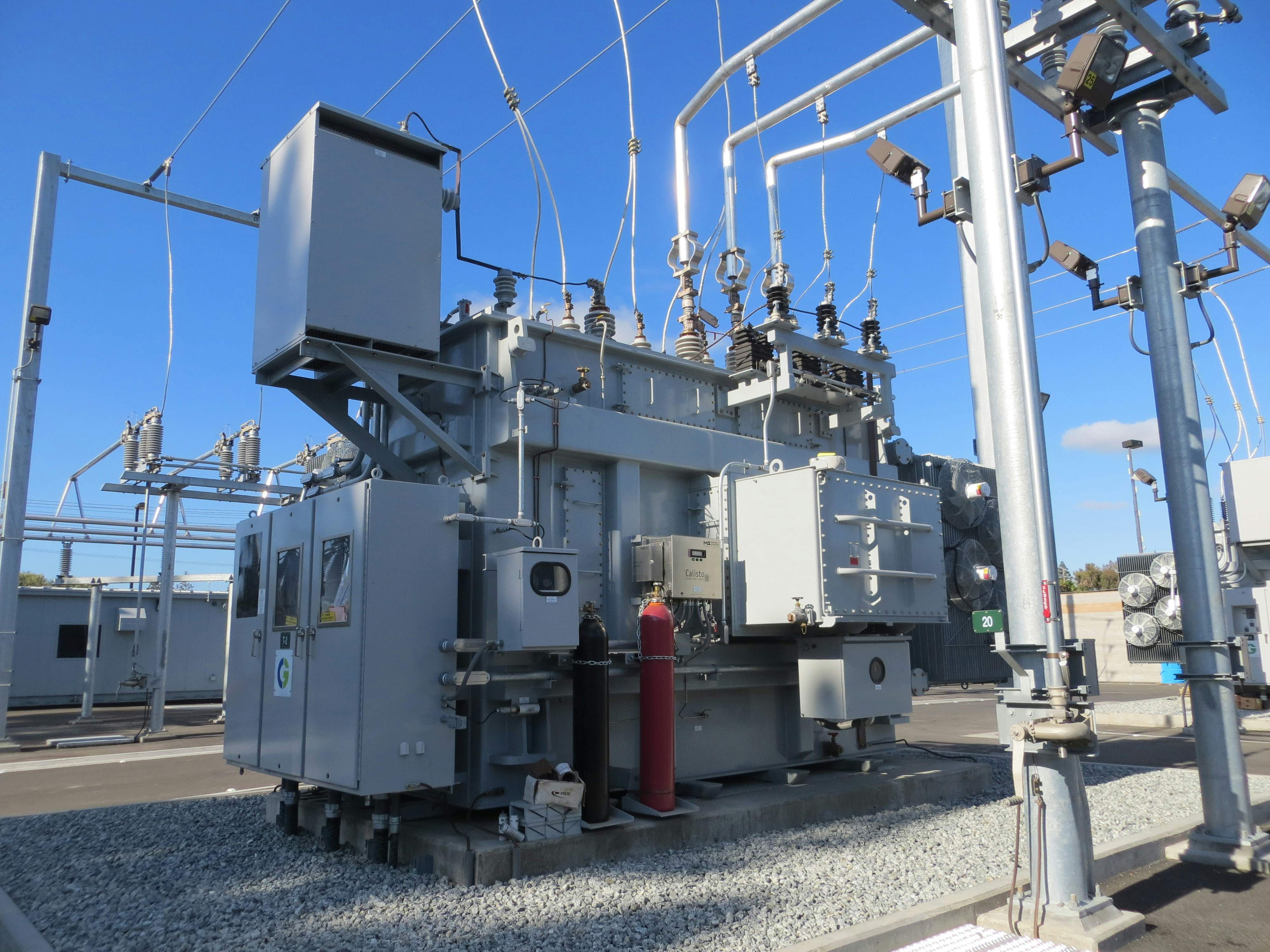
What Is a Pad Mounted Transformer?
A pad mounted transformer is an electrical device that lowers voltage for homes, businesses, and factories. It usually sits on a concrete base inside a locked metal cabinet.
This design protects the equipment from outdoor conditions and helps prevent public access to live electrical parts. Pad mounted transformers often work with underground power cables, so they are common in residential areas, commercial buildings, and industrial sites.
Unlike pole mounted transformers, they sit at ground level. They also help keep outdoor power systems neat and organized.
How Does a Pad Mounted Transformer Work?
A pad mounted transformer uses electromagnetic induction to lower voltage. It receives high-voltage power and changes it into a lower voltage for daily use.
The process has three main steps.
1. High Voltage Power Enters
First, electricity flows through underground cables into the transformer. It reaches the primary winding, which is designed for the incoming voltage.
2. The Transformer Lowers the Voltage
Next, the electrical current creates a changing magnetic field in the core. This field transfers energy to the secondary winding.
The number of turns in each winding controls the voltage change. In a step-down transformer, the secondary winding has fewer turns than the primary winding. As a result, the output voltage is lower.
3. Power Goes to the Electrical System
Finally, the transformer sends lower-voltage power to homes, buildings, or machines through the distribution network.
Built-in safety parts, such as fuses and switches, can help protect the system from electrical faults. The exact design depends on the model and project needs.
What Are the Main Parts of a Pad Mounted Transformer?
A pad mounted transformer has several key parts. Each one plays a role in power conversion, safety, or cooling.
Core and Windings
The core carries the magnetic field, while the windings transfer energy and change the voltage. Their design affects the transformer's performance and efficiency.
Tank and Cooling System
Many pad mounted transformers use insulating oil to cool the internal parts and provide electrical insulation. The tank also protects these parts from the outdoor environment.
High and Low Voltage Connections
These connections carry power into and out of the transformer. Their layout depends on the voltage level and the needs of the electrical system.
Safety Devices and Cabinet
Fuses, switches, and other protective parts help manage electrical faults. The locked metal cabinet also limits access and protects the equipment from rain, dust, and other outdoor conditions.
Where Are Pad Mounted Transformers Used?
Pad mounted transformers serve many types of power projects.
Residential Areas
They supply power to houses and apartment buildings. Their ground-level design works well with underground power lines.
Commercial Buildings
Offices, hotels, shopping centers, and retail parks use transformers to power lights, air conditioning, and other equipment.
Factories and Warehouses
Industrial sites need a stable power supply for machines, motors, and production lines. Buyers should select a transformer that matches the site's total power demand.
Solar Power Projects
Solar farms may use transformers to connect their power systems to the grid. The required voltage and transformer type depend on the project design.
What Are the Benefits of a Pad Mounted Transformer?
Pad mounted transformers offer several benefits for outdoor power distribution.
Compact design: They fit into planned outdoor spaces and work well with underground cables.
Better access control: A locked cabinet helps keep the public away from live electrical parts.
Outdoor protection: The enclosure helps protect internal parts from rain, dust, and other weather conditions.
Flexible options: Buyers can choose different power ratings, voltage levels, and connection designs to meet project needs.
Wide range of uses: They can supply power to residential, commercial, and industrial sites.
However, buyers should still check the site conditions, safety rules, and maintenance needs before choosing a model.
How to Choose the Right Pad Mounted Transformer
Before buying a pad mounted transformer, consider these five key points.
1. Power Rating
Check the total power demand of the site. The transformer must support the current load and allow for expected future growth. Its rated capacity is usually measured in kVA.
2. Input and Output Voltage
Make sure the input voltage matches the power supply and the output voltage meets the needs of the connected equipment. Also, check the frequency and phase.
3. Transformer Type
Many pad mounted transformers use oil for cooling and insulation. Choose a suitable type based on the project, local rules, and site conditions.
4. Safety and Cabinet Design
Check the protection devices, grounding, cabinet material, and access design. For outdoor use, the enclosure should suit the local weather and risk of corrosion.
5. Manufacturer Support
Choose a supplier that provides clear product details, quality checks, and technical support. Before ordering, ask for product drawings, test reports, delivery times, and any required certificates.
Pad Mounted Transformer vs. Pole Mounted Transformer
Both types lower voltage for power distribution, but they have different installation methods.
A pad mounted transformer sits on a concrete base inside a cabinet. It often works with underground cables in residential and commercial areas.
A pole mounted transformer sits on a utility pole. It is more common in overhead power networks.
The right choice depends on the site layout, local rules, available space, and project cost.
KUOYU Transformer and Distribution Products
KUOYU provides electrical equipment for power distribution projects. Its product range includes transformers, distribution boxes, and distribution cabinets.
These products can support different parts of an electrical system. For example, a transformer changes voltage, while distribution boxes and cabinets help manage and distribute electrical power.
If you need a pad mounted transformer, contact KUOYU to confirm product availability, power ratings, voltage options, and custom designs. You can also discuss your project needs with the team before placing an order.
Visit the KUOYU official website to learn more about its electrical products.
When requesting a quote, prepare the following details:
- Rated capacity in kVA
- Input and output voltage
- Frequency and phase
- Installation location
- Required safety standards
- Special design or enclosure needs
These details help the supplier understand your project and recommend a suitable solution.
Frequently Asked Questions About Pad Mounted Transformers
What Does a Pad Mounted Transformer Do?
It lowers voltage from the power distribution network to a level that homes, buildings, and equipment can use.
Are Pad Mounted Transformers Oil-Filled?
Many models use insulating oil for cooling and insulation. However, the design varies by product, so buyers should check the technical details.
How Long Does a Pad Mounted Transformer Last?
Its service life depends on product quality, load, temperature, installation, and maintenance. Regular checks can help keep it in good working condition.
Can I Order a Custom Pad Mounted Transformer?
Some manufacturers offer custom options for voltage, power rating, connections, and cabinet design. Contact the supplier to confirm which options are available.
Conclusion
A pad mounted transformer lowers voltage and supplies power to homes, businesses, factories, and other sites. Its enclosed design makes it a common choice for outdoor power distribution.
To choose the right model, check the power rating, voltage, safety features, and installation conditions. You should also work with a reliable supplier.
KUOYU offers transformers and other electrical distribution products. Visit its official website to learn more and discuss your project requirements.
Share to:


