Distributed Solar Energy Projects for Industrial Applications
Learn how distributed solar energy projects support industrial power needs with reliable transformers, distribution cabinets, and electrical equipment.
2026/09/21
Reading volume: 0
News Details
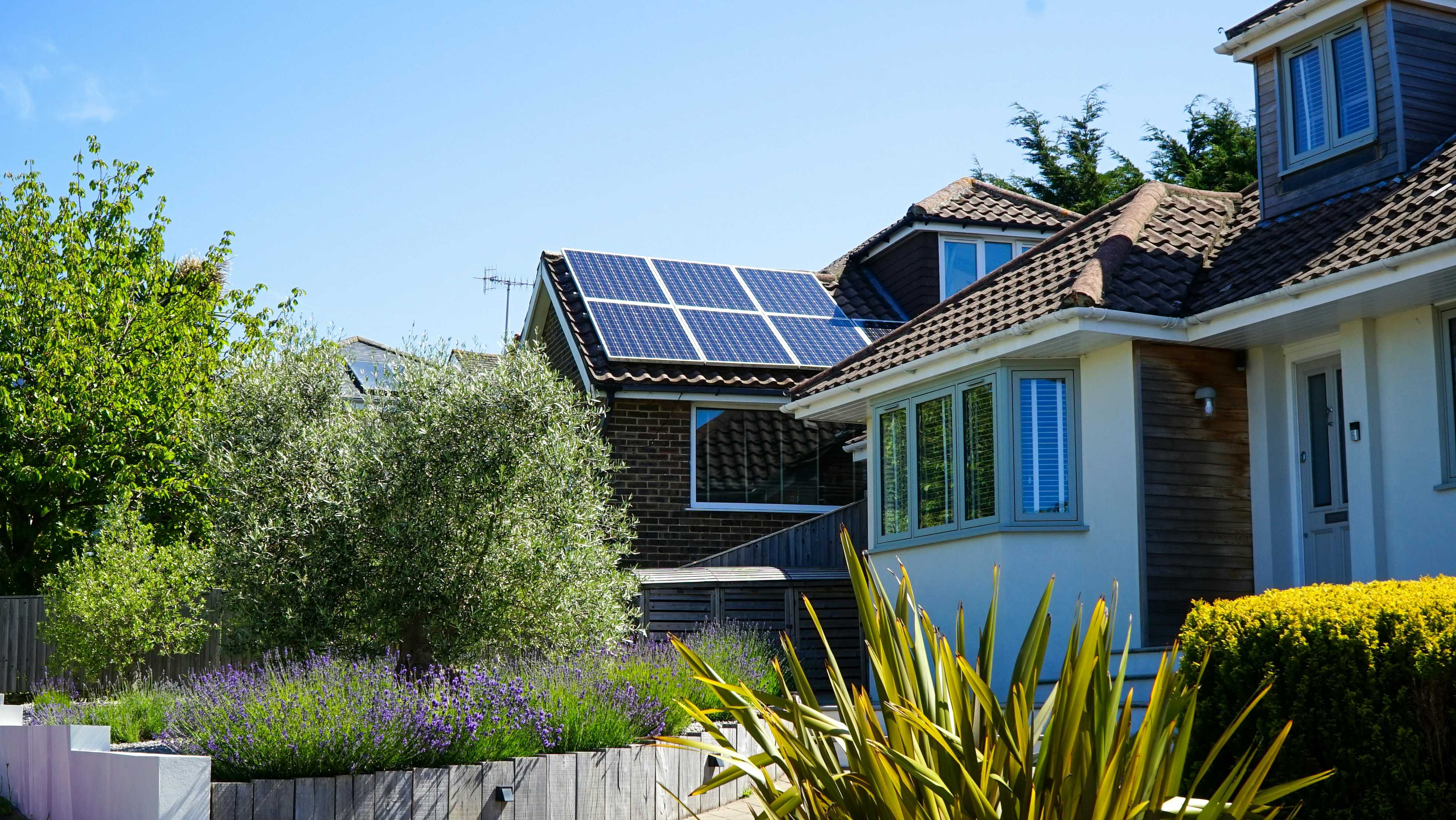
Distributed solar energy projects are becoming an important part of modern industrial power systems. Instead of relying only on large power plants, companies can generate electricity closer to where it is used. As a result, industrial sites can improve energy management and make better use of available space.
Factories, warehouses, logistics centers, workshops, and other industrial facilities often have large roof areas or open land. These areas can support solar panels and help meet part of the site's electricity demand. However, solar panels are only one part of an industrial solar system. Reliable power distribution equipment is also needed to transfer, control, and protect the generated electricity.
Therefore, a complete distributed solar energy project needs both solar generation equipment and suitable electrical distribution products.
What Are Distributed Solar Energy Projects?
Distributed solar energy projects are solar power systems installed close to the electricity load. They are different from large centralized solar farms that send power over long distances.
For industrial applications, solar panels are often installed on factory roofs, warehouses, parking structures, or unused land near the facility. The generated electricity can then be supplied to the site's electrical system.
This approach can provide several practical benefits:
- Local power generation
- Better use of available space
- Reduced dependence on grid electricity
- Flexible system design
- Easier integration with existing electrical systems
- Support for industrial energy management
However, the exact benefits depend on factors such as solar resources, electricity demand, system size, local grid rules, and project design.
Why Industrial Solar Energy Needs Reliable Power Distribution
Industrial facilities usually have higher and more complex power demands than small buildings. Production lines, motors, pumps, HVAC systems, lighting, and other equipment may operate at the same time.
Because of this, the power generated by a solar system must be safely connected to the site's electrical network.
Power distribution equipment plays an important role in this process. Depending on the system design, equipment such as transformers, distribution cabinets, and distribution boxes can help manage the flow of electricity.
For example, a transformer can change voltage levels to match the needs of the electrical system. At the same time, distribution cabinets can organize circuits and provide protection and control.
Therefore, choosing suitable electrical equipment is an important step in industrial solar project planning.
Key Electrical Equipment for Distributed Solar Projects
A distributed solar energy project may include several types of electrical equipment. The exact configuration depends on the project size, voltage level, connection method, and local requirements.
Solar Transformers for Industrial Power Systems
Transformers are commonly used to change voltage levels in power systems. In an industrial solar project, the transformer must match the system's voltage and capacity requirements.
KUOYU offers oil immersed transformers for industrial power distribution, substations, renewable energy, and commercial applications. The products are designed for stable operation, efficient cooling, and low energy loss.
For a solar project, the transformer specification should be selected according to factors such as:
- Rated capacity
- Input and output voltage
- Installation conditions
- Cooling method
- System load
- Grid connection requirements
A suitable transformer can help create a stable connection between the solar power system and the wider electrical network.
Pad Mounted Transformers for Solar Projects
Pad mounted transformers are another useful option for distributed solar energy projects. They are designed for outdoor installation and have a compact, enclosed structure.
KUOYU's pad mounted transformers can be used in renewable energy systems, industrial facilities, commercial buildings, and public infrastructure projects. Their size, voltage, capacity, structure, and configuration can also be customized according to project requirements.
This makes pad mounted transformers suitable for projects where outdoor installation and space use are important considerations.
For example, they can be considered for solar installations located near:
- Industrial parks
- Factory buildings
- Warehouses
- Outdoor production areas
- Commercial facilities
- Renewable energy facilities
Distribution Cabinets for Industrial Solar Power
A distribution cabinet helps organize and manage electrical circuits. It can also provide protection and improve the overall structure of an industrial power system.
KUOYU distribution cabinets are designed for industrial, commercial, and infrastructure applications. The company also supports customized sizes, structures, colors, and internal configurations.
For distributed solar projects, a distribution cabinet can be selected based on the site's electrical layout and protection requirements.
Outdoor projects may also require stronger protection against environmental conditions. KUOYU's website highlights waterproof distribution cabinet solutions with IP54/IP65 protection for industrial and solar power systems.
Distribution Boxes for Solar Power Distribution
Distribution boxes provide another way to organize and protect electrical circuits. They are commonly used in residential, commercial, and industrial electrical systems.
KUOYU's distribution boxes can be customized in terms of size, structure, material, color, and internal configuration. This flexibility can help match different project layouts and installation conditions.
For industrial solar projects, the distribution box can be integrated into the power distribution structure according to the project's electrical design.
How Distributed Solar Power Works in an Industrial Facility
A typical industrial distributed solar system follows several basic steps.
First, solar panels convert sunlight into electrical energy. Then, the solar power system converts and manages the generated electricity so that it can be used by the facility.
Next, the electricity enters the site's distribution system. Transformers may be used when voltage conversion is needed. Distribution cabinets and boxes then help organize circuits and connect different electrical loads.
Finally, electricity can be used by industrial equipment or, depending on the project design and local rules, exported to the grid when generation is higher than on-site demand.
The actual system configuration varies from project to project. Therefore, electrical equipment should be selected after reviewing the site's load profile, voltage requirements, installation environment, and grid connection conditions.
Benefits of Distributed Solar Energy for Industrial Applications
Distributed solar power can offer several advantages for industrial users.
Better Use of Available Space
Industrial buildings often have large flat roofs. Instead of leaving these areas unused, solar panels can turn them into power generation areas.
This is especially useful for factories and warehouses with large roof surfaces.
Local Power Generation
Solar power is generated close to the electricity load. This can reduce the need to move all electricity over long distances.
As a result, distributed generation can be a practical way to add renewable power to an existing industrial site.
Flexible System Design
Industrial solar systems can be designed around the actual needs of a facility.
A project may be installed on a single building or expanded across multiple buildings. Electrical equipment can also be selected based on voltage, capacity, installation location, and system structure.
Support for Energy Management
Solar generation can become part of a broader industrial energy management strategy.
Companies can review electricity demand, solar production, and operating schedules to better understand how renewable energy fits into their power system.
However, energy savings and financial returns vary by project. They depend on local electricity prices, solar conditions, equipment costs, system performance, and other factors.
What to Consider When Planning an Industrial Solar Project
Before starting a distributed solar energy project, industrial users should review several key factors.
1. Electricity Demand
Start by understanding how much electricity the facility uses and when it uses it.
A factory with high daytime electricity demand may have a different system design from a facility that operates mainly at night.
2. Available Installation Area
Roof condition, available land, building structure, and shading can all affect solar system design.
The installation area should be checked before equipment is selected.
3. Voltage and Capacity
The solar system must match the electrical characteristics of the industrial facility.
Transformers and distribution equipment should therefore be selected based on actual voltage and capacity requirements.
4. Outdoor Installation Conditions
Some solar electrical equipment may be installed outdoors. In this case, protection against water, dust, corrosion, and other environmental factors should be considered.
Equipment such as enclosed pad mounted transformers and suitable distribution cabinets can help meet outdoor installation needs when properly specified.
5. Custom Electrical Design
Industrial projects are rarely identical.
Different factories may have different loads, voltage levels, available space, and grid connection conditions. Therefore, customized equipment can make it easier to fit the electrical design.
KUOYU Electrical Equipment for Distributed Solar Energy Projects
KUOYU, Hebei Kuoyu Electric Power Technology Co., Ltd., is a manufacturer of high- and low-voltage electrical equipment. The company was founded in 2017 and has a 20,000-square-meter production base in Shijiazhuang, China. It provides electrical equipment for industrial, commercial, infrastructure, and renewable energy applications.
Its product range includes:
- Oil Immersed Transformers for industrial power distribution and renewable energy systems
- Pad Mounted Transformers for outdoor power distribution and renewable energy projects
- Distribution Cabinets for industrial and solar power systems
- Distribution Boxes for industrial and commercial electrical systems
KUOYU also provides customized solutions. Product size, structure, voltage, capacity, and internal configuration can be adjusted according to project requirements for selected products.
With factory-direct supply, quality control, and custom solution capabilities, KUOYU can provide electrical distribution equipment for different industrial power projects.
Conclusion: Building Reliable Industrial Solar Power Systems
Distributed solar energy projects can help industrial facilities add renewable power close to the point of use. However, solar panels alone do not make a complete industrial power system.
Transformers, distribution cabinets, distribution boxes, and other electrical equipment are also important. Together, these components help connect solar generation with industrial loads and the wider power network.
Therefore, a successful industrial solar project should consider solar generation, electrical distribution, protection, installation conditions, and future system needs as a whole.
For industrial solar and renewable energy projects, KUOYUprovides transformers, pad mounted transformers, distribution cabinets, and distribution boxes with customizable configurations to support different electrical system requirements.
Share to:


