High Efficiency Electrical Transformers for Commercial and Industrial Use
Discover high efficiency electrical transformers for commercial and industrial use. Learn about energy-saving transformer features, applications, benefits, and how to choose the right transformer for your power system.
2026/05/26
Reading volume: 1
News Details
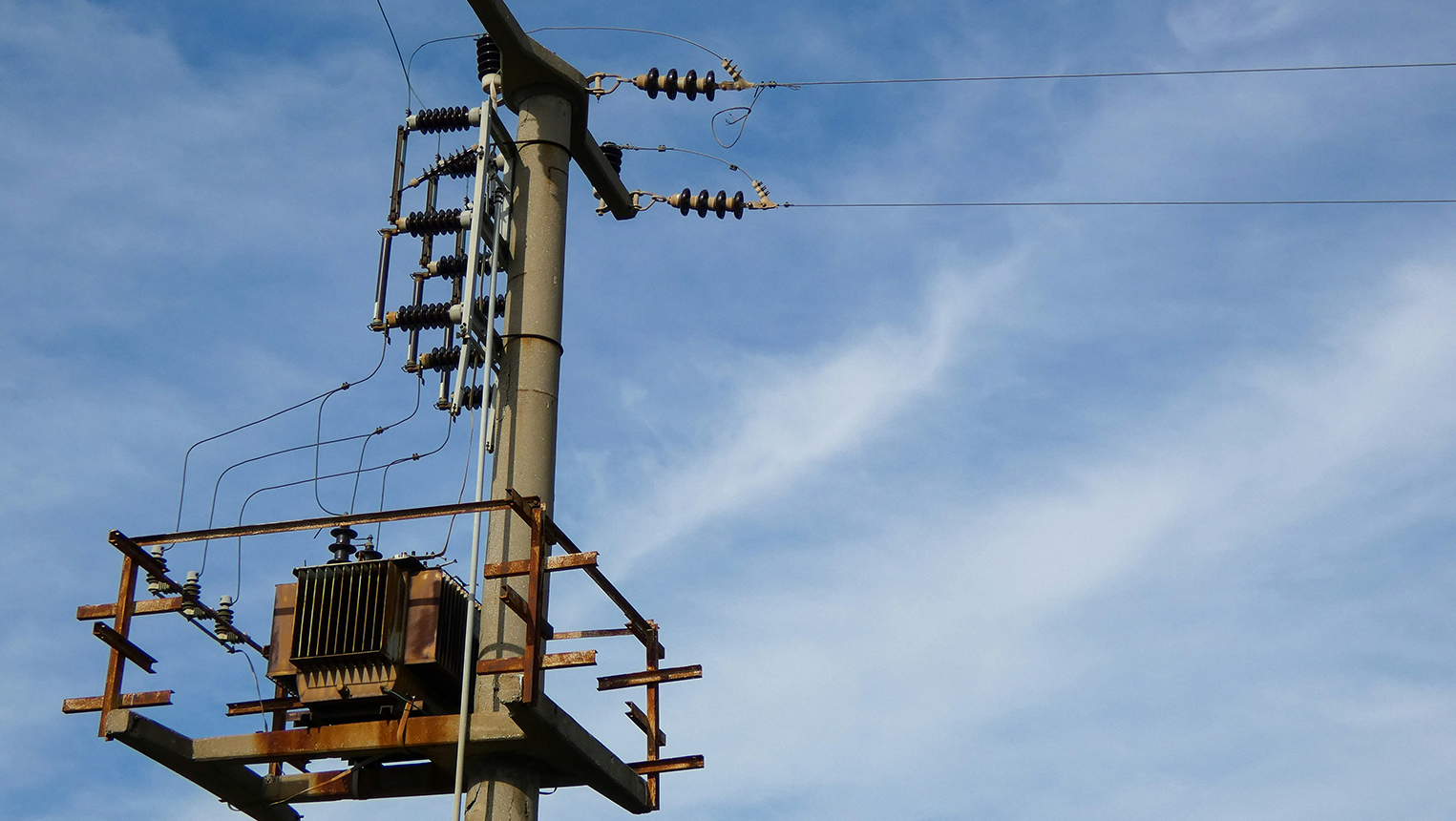
Electrical transformers are an important part of modern power systems. They help move electricity safely and efficiently from one place to another. Today, many businesses are looking for high efficiency electrical transformers because they can reduce energy loss, lower operating costs, and improve system performance.
Commercial buildings, factories, data centers, and industrial plants all depend on reliable transformers for daily operations. As energy prices continue to rise, choosing energy-efficient transformers has become more important than ever.
In this article, we will explore the benefits, applications, and key features of high efficiency electrical transformers for commercial and industrial use.
What Are High Efficiency Electrical Transformers?
High efficiency electrical transformers are designed to reduce power loss during energy transmission and distribution. Compared with standard transformers, they use advanced materials and better core designs to improve energy conversion efficiency.
These transformers usually include:
- Low-loss silicon steel cores
- High-quality copper or aluminum windings
- Advanced insulation systems
- Improved cooling technology
Because of these features, they waste less electricity during operation. As a result, businesses can save money and reduce energy consumption over time.
Why High Efficiency Transformers Matter in Commercial and Industrial Applications
Commercial and industrial facilities often run heavy equipment for long hours every day. Therefore, even a small reduction in power loss can lead to significant savings.
High efficiency transformers offer several important advantages:
Lower Energy Costs
Energy-efficient transformers reduce no-load and load losses. This means less electricity is wasted as heat. Over time, companies can lower their monthly utility bills.
Better System Reliability
Reliable power is critical in industrial production and commercial operations. High efficiency transformers provide stable voltage and consistent performance, which helps reduce downtime.
Reduced Heat Generation
Since less energy is lost, these transformers produce less heat. Consequently, cooling requirements may also decrease, which further improves efficiency.
Longer Service Life
Better materials and lower operating temperatures help extend transformer lifespan. This reduces maintenance costs and replacement frequency.
Environmental Benefits
Energy-efficient transformers help reduce carbon emissions and support sustainable energy goals. Many companies now choose green energy solutions to meet environmental standards.
Types of High Efficiency Electrical Transformers
Different industries require different transformer designs. Below are some common types used in commercial and industrial settings.
Dry Type Transformers
Dry type transformers use air instead of oil for cooling. They are safer for indoor use because they have lower fire risks.
Common applications include:
- Office buildings
- Shopping malls
- Hospitals
- Schools
- Data centers
They also require less maintenance compared with oil-filled transformers.
Oil-Immersed Transformers
Oil-immersed transformers use insulating oil for cooling and insulation. They are widely used in heavy industrial environments because they can handle higher loads.
Typical applications include:
- Manufacturing plants
- Mining operations
- Power stations
- Large industrial facilities
These transformers are known for strong durability and excellent cooling performance.
Distribution Transformers
Distribution transformers deliver electricity from utility systems to end users. High efficiency models help reduce power losses in commercial and industrial distribution networks.
Power Transformers
Power transformers are used in high-voltage transmission systems. Industrial plants and utility companies often rely on them for large-scale power transfer.
Key Features of High Efficiency Industrial Transformers
When choosing an electrical transformer, businesses should consider several important features.
Low Core Loss
The transformer core affects overall efficiency. Modern low-loss cores improve energy transfer and reduce wasted electricity.
High-Quality Winding Materials
Copper windings usually provide better conductivity and efficiency. However, aluminum windings may offer a more cost-effective option for some projects.
Advanced Cooling Systems
Efficient cooling helps maintain stable operating temperatures. This improves transformer performance and extends service life.
Strong Insulation Performance
Reliable insulation protects the transformer from electrical faults and environmental conditions.
Energy-Saving Design
Modern transformer manufacturers focus on energy-saving technologies that meet international efficiency standards.
Commercial Applications of High Efficiency Electrical Transformers
Commercial buildings require safe and stable electricity for lighting, HVAC systems, elevators, and office equipment.
High efficiency transformers are commonly used in:
- Office towers
- Hotels
- Airports
- Shopping centers
- Hospitals
- Educational facilities
Because commercial buildings operate continuously, efficient transformers can significantly reduce operating costs.
Industrial Applications of High Efficiency Transformers
Industrial environments often demand heavy-duty electrical equipment. High efficiency transformers help maintain reliable power supply under demanding conditions.
Common industrial applications include:
Manufacturing Plants
Factories use transformers to power production equipment, automation systems, and industrial machinery.
Renewable Energy Systems
Solar and wind energy projects use transformers to connect generated power to the electrical grid.
Oil and Gas Facilities
Energy-efficient transformers support drilling operations, processing plants, and offshore platforms.
Mining Industry
Mining equipment requires stable and reliable power under harsh operating conditions.
Data Centers
Data centers need continuous and efficient electricity to support servers and cooling systems.
How High Efficiency Transformers Reduce Energy Loss
Transformer energy loss mainly comes from two sources:
- Core losses
- Copper losses
High efficiency designs reduce both types of losses through improved engineering and better materials.
For example:
- Advanced magnetic cores lower hysteresis loss
- Better winding design reduces resistance
- Improved insulation minimizes leakage currents
As a result, more electrical energy reaches the final equipment instead of being wasted.
Important Factors When Choosing Electrical Transformers
Before purchasing a transformer, businesses should evaluate several key factors.
Load Capacity
Choose a transformer that matches the expected power demand.
Voltage Requirements
The transformer must support the correct input and output voltage levels.
Installation Environment
Indoor and outdoor environments may require different transformer designs.
Energy Efficiency Ratings
Check compliance with international energy efficiency standards.
Maintenance Requirements
Some transformers require more maintenance than others. Dry type transformers are often easier to maintain.
Safety Standards
Always select products that meet industry safety and quality certifications.
Future Trends in High Efficiency Transformer Technology
Transformer technology continues to improve as industries focus more on energy savings and smart power systems.
Future trends include:
- Smart monitoring systems
- IoT-enabled transformers
- Eco-friendly insulating materials
- Higher energy efficiency standards
- Compact transformer designs
- Integration with renewable energy systems
These innovations will help businesses improve power management while reducing operational costs.
Conclusion
High efficiency electrical transformers play a critical role in commercial and industrial power systems. They help businesses reduce energy loss, lower electricity costs, improve reliability, and support sustainable operations.
Whether used in office buildings, factories, renewable energy systems, or data centers, energy-efficient transformers provide long-term value and stable performance.
As energy demand continues to grow, investing in high efficiency electrical transformers will become even more important for modern commercial and industrial applications.
Share to:


