Grid-Connected Solar PV Projects for Industrial Facilities
Learn how grid-connected solar PV projects help industrial facilities cut power costs, improve energy use, and support reliable, sustainable growth.
2026/08/13
Reading volume: 0
News Details
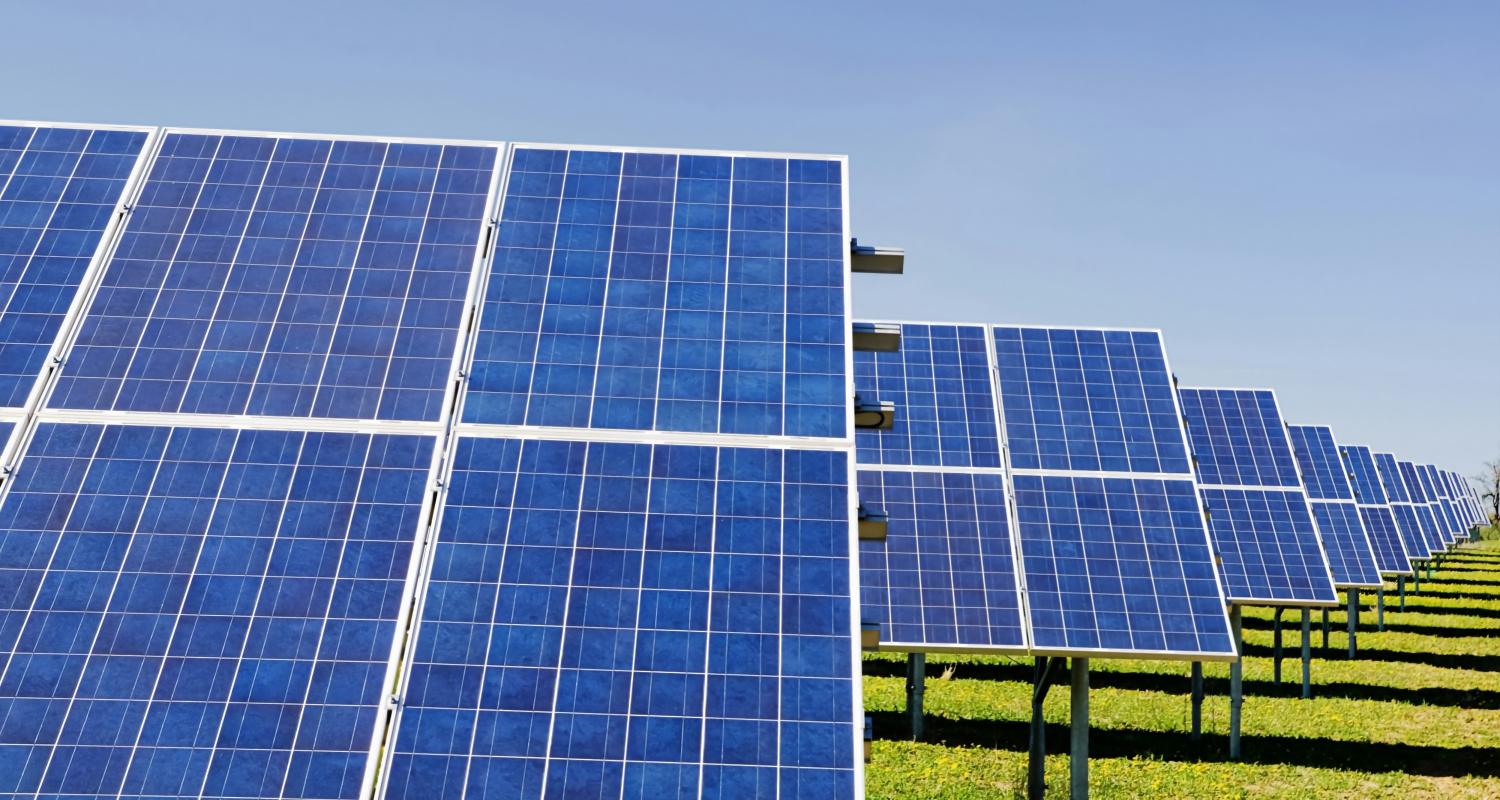
Industrial facilities use a large amount of electricity every day. As a result, power costs can become a major part of operating costs. At the same time, many companies want to reduce carbon emissions and use cleaner energy.
A grid-connected solar PV system can help meet both goals. It uses solar panels to produce electricity during the day. The power can then supply factory loads directly. When solar output is not enough, the facility can still draw power from the utility grid.
Therefore, grid-connected solar PV projects are a practical choice for factories, warehouses, industrial parks, and other large power users.
What Is a Grid-Connected Solar PV System for Industrial Facilities?
A grid-connected solar PV system is a solar power system that works with the public power grid. Unlike an off-grid system, it does not need to operate alone.
Solar panels first convert sunlight into DC electricity. Then, a solar inverter changes the DC power into AC power. The AC power can supply machines, lighting, HVAC systems, pumps, and other factory loads.
At the same time, the system stays connected to the utility grid. When solar power is lower than the facility demand, the grid can provide the extra electricity. If local rules allow it, excess solar power may also be sent to the grid.
This simple structure makes grid-connected solar PV suitable for industrial sites with high daytime power use.
Why Choose Grid-Connected Solar PV Projects for Industrial Facilities?
Industrial solar PV projects offer several clear benefits.
Reduce Industrial Electricity Costs
Factories often use the most electricity during working hours. This is also when solar panels can produce the most power.
Therefore, solar generation can directly reduce the amount of electricity purchased from the grid. Over time, this can lower energy costs and improve cost control.
Make Better Use of Factory Roofs
Large factories and warehouses often have large roof areas. These spaces may otherwise have little economic value.
Installing solar panels turns unused roof space into a source of clean energy. In addition, solar systems can also be installed on suitable ground areas or industrial parking structures.
Support Clean Energy Goals
Solar power does not need fuel during operation. Therefore, it can help industrial companies reduce their use of traditional power sources and lower their carbon footprint.
This can also support corporate sustainability plans and clean energy targets.
Improve Energy Planning
Electricity prices and energy demand can change over time. A solar PV system gives businesses another source of power.
As a result, companies can reduce their dependence on grid electricity and build a more stable long-term energy plan.
Key Components of an Industrial Grid-Connected Solar PV System
A reliable project needs more than solar panels. Each part must work together correctly.
Solar PV Modules
Solar panels are the main power generation units. They convert sunlight into DC electricity.
For industrial projects, panel selection should consider power output, available installation space, operating conditions, and expected project life.
Solar Inverters
The inverter changes DC power from the solar array into AC power for factory use.
It also helps control power output and connect the solar system to the facility's electrical system.
Distribution Cabinets and Boxes
Distribution equipment is an important part of a grid-connected solar PV project. It helps distribute, control, and protect electrical power.
For industrial applications, the distribution cabinet should match the system voltage, current, protection needs, and installation environment.
KUOYU provides high and low voltage distribution equipment for power distribution applications. Its product range includes distribution boxes and distribution cabinets that can be used as part of industrial power systems.
Transformers
A transformer may be required when the solar system connects to the factory's medium or high voltage network.
For example, an industrial solar project may use an oil immersed transformer or a pad mounted transformer to meet the required voltage level and site layout.
KUOYU offers transformer solutions for different power distribution needs. These products can be selected according to project voltage, capacity, installation conditions, and customer requirements.
Protection and Switching Equipment
Protection equipment helps protect the solar PV system, factory equipment, and electrical network.
Depending on the project, this may include circuit breakers, disconnect switches, surge protection, relays, and other electrical protection devices.
Proper protection is especially important for large industrial systems because a fault can affect both the solar system and factory production.
How KUOYU Supports Industrial Solar PV Projects
KUOYU focuses on power distribution equipment and electrical solutions for different industrial applications. Its product range includes transformers, high and low voltage distribution cabinets, distribution boxes, and related power equipment.
For grid-connected solar PV projects, these products can support key parts of the electrical connection and distribution system.
KUOYU can also provide customized solutions based on project requirements. For example, customers can discuss equipment size, voltage level, capacity, structure, installation method, and other technical requirements.
This flexibility is useful for industrial solar projects because every factory has different power loads, site conditions, and grid connection requirements.
Important Factors When Planning an Industrial Solar PV Project
A good solar project should start with careful planning.
Check the Factory Electricity Load
First, review the facility's electricity use. Look at daily, monthly, and seasonal power demand.
If a factory has high daytime electricity use, solar power can often be used directly on site. This can improve the value of the PV system.
Check the Available Installation Area
Next, check the roof or ground area.
The project team should consider roof size, roof strength, shading, direction, tilt, access, and maintenance space. A suitable installation area helps improve system performance.
Select the Right Transformer and Distribution Equipment
The electrical equipment must match the solar system and factory network.
Voltage, capacity, short-circuit level, protection requirements, and connection method should all be reviewed before equipment selection.
For this reason, working with an experienced electrical equipment supplier can help reduce design and installation problems.
Consider Local Grid Requirements
Every grid connection project must follow local electrical rules and utility requirements.
Before construction, companies should confirm grid connection conditions, protection settings, metering requirements, and approval procedures.
Plan for Safety and Maintenance
Solar equipment works outdoors and may face heat, rain, dust, and other conditions.
Therefore, the system should be designed for safe access, easy inspection, and simple maintenance. Electrical cabinets, transformers, and other equipment should also be installed in suitable locations.
Grid-Connected Solar PV vs Off-Grid Solar Systems
Grid-connected and off-grid solar systems serve different needs.
A grid-connected system works together with the utility grid. This makes it a strong choice for industrial facilities that already have a stable grid connection.
An off-grid system must provide power without relying on the utility grid. It normally needs battery storage or another backup power source.
For most large factories that already have reliable grid access, grid-connected solar PV can provide a simpler and more cost-effective approach.
How to Improve the Performance of Industrial Solar PV Projects
Several steps can help improve system performance.
First, use accurate electricity load data when designing the system. This helps match solar capacity with actual factory demand.
Second, reduce shading on solar panels. Even partial shading can affect system output.
Third, select reliable inverters, transformers, distribution cabinets, and protection equipment. Good electrical equipment helps improve system safety and long-term operation.
Finally, monitor system performance after installation. Regular checks can help find faults early and keep the system working well.
Conclusion
Grid-connected solar PV projects are becoming an important option for industrial facilities. They can help reduce electricity costs, make better use of factory space, and support cleaner energy goals.
However, a successful project needs more than solar panels. Inverters, transformers, distribution cabinets, protection equipment, and grid connection systems must all work together.
With its range of transformers, high and low voltage distribution equipment, and customized power solutions,KUOYUcan support the electrical needs of industrial solar PV projects. By selecting the right equipment and planning the system carefully, industrial companies can build a safer, more efficient, and more reliable solar power system for long-term use.
Share to:


