Full-Service Solar PV EPC Solutions from Design to Commissioning
Discover full-service solar PV EPC solutions from design to commissioning, with reliable transformers, distribution cabinets, and customized electrical equipment from KUOYU.
2026/08/13
Reading volume: 3
News Details
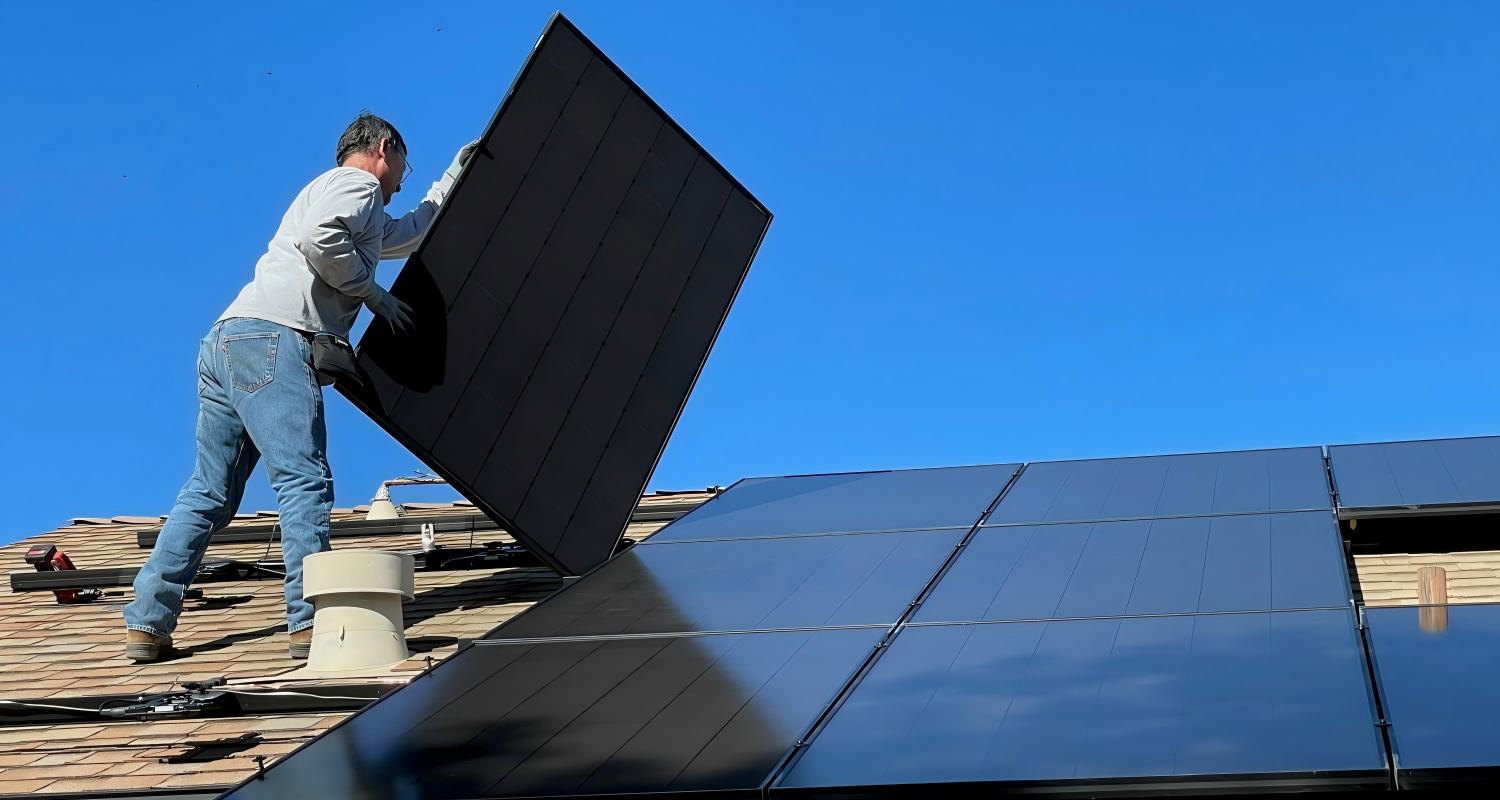
Solar energy is becoming an important part of modern power systems. However, building a reliable solar project takes more than installing solar panels. A complete project needs careful design, suitable electrical equipment, professional installation, testing, and commissioning.
That is why full-service solar PV EPC solutions are valuable for commercial, industrial, and utility-scale projects. EPC stands for Engineering, Procurement, and Construction. A full-service EPC approach brings these steps together under one project plan. As a result, customers can reduce coordination work, improve project control, and build a more reliable solar power system.
KUOYUprovides high and low voltage electrical equipment for solar and renewable energy projects. Its product range includes oil immersed transformers, pad mounted transformers, distribution cabinets, and distribution boxes. The company also supports customized solutions based on project requirements.
What Are Solar PV EPC Solutions
Solar PV EPC solutions cover the main stages of a photovoltaic power project from the first design to final commissioning.
The process usually includes:
- Solar PV system design
- Electrical system planning
- Equipment selection and procurement
- Equipment manufacturing
- Site installation
- Electrical connection
- System testing
- Commissioning and project handover
First, the EPC team studies the project site and power demand. Then, engineers develop a suitable system design. Next, the required equipment is selected and supplied. After that, the system is installed and tested before it starts operation.
Therefore, an integrated EPC solution can help reduce communication gaps between different suppliers and contractors.
Solar PV System Design for Reliable Power Projects
Good design is the foundation of a successful solar PV project. Before equipment is selected, engineers need to consider the site's power demand, installation conditions, system voltage, load characteristics, and future expansion needs.
For commercial and industrial solar projects, the electrical design should also consider how solar power connects with the existing power system.
The design may include:
- Solar power generation planning
- DC and AC electrical system design
- Transformer selection
- Distribution cabinet planning
- Distribution box configuration
- Protection and control system planning
- Cable and connection planning
- Grid connection requirements
In addition, equipment capacity should match the actual project load. An oversized system may increase the initial cost, while an undersized system may limit performance.
For this reason, a customized design is often better than a one-size-fits-all solution.
Solar PV Equipment Procurement and Manufacturing
After the design is completed, the next step is equipment procurement. Reliable electrical equipment is important because transformers and distribution equipment work as key parts of the solar power system.
KUOYU focuses on high and low voltage electrical equipment and provides factory-direct supply with customized solutions. The company was established in 2017 and operates a 20,000-square-meter production facility. It also holds ISO 9001 certification.
Its main products for solar and power distribution applications include:
- Oil Immersed Transformer
- Pad Mounted Transformer
- Distribution Cabinet
- Distribution Box
These products can support different renewable energy, commercial, industrial, and infrastructure applications.
Solar Transformers for PV Power Distribution
Transformers play an important role in solar PV power systems. They help transfer electrical energy between different voltage levels and support stable power distribution.
KUOYU oil immersed transformers are designed for industrial power distribution, substations, renewable energy, and commercial applications. They feature efficient cooling, stable voltage output, low energy loss, and reliable long-term operation.
For outdoor solar projects, a pad mounted transformer can also be a practical choice. KUOYU pad mounted transformers use a compact, fully enclosed structure for outdoor installation. They are designed to provide safe and stable power transmission while reducing maintenance needs.
The transformer size, voltage, capacity, structure, and configuration can be customized according to project requirements. This makes the equipment suitable for different solar PV project designs.
Solar Distribution Cabinets for Safe Power Control
Distribution cabinets help manage and protect electrical circuits in solar power systems. They can be used to organize power distribution, support electrical protection, and improve system management.
KUOYU distribution cabinets are designed for industrial, commercial, and infrastructure applications. They use sturdy structures and are available for indoor or outdoor environments. The company supports customized cabinet sizes, structures, colors, and internal configurations.
This flexibility is useful for solar projects because each site may have different space, voltage, protection, and installation requirements.
Solar Distribution Boxes for Flexible Electrical Systems
Distribution boxes are another important part of solar power distribution systems. They can help manage circuits and provide electrical protection for different loads and equipment.
KUOYU distribution boxes are designed for residential, commercial, and industrial electrical systems. They can be customized in terms of size, structure, material, color, and internal configuration.
As a result, they can be adapted to different project layouts and installation conditions.
Solar PV EPC Installation and Construction
Once the equipment is ready, the construction stage begins. Professional installation is important because even well-designed equipment can perform poorly if it is installed incorrectly.
The construction process may include:
- Equipment delivery and inspection
- Transformer installation
- Distribution cabinet installation
- Distribution box installation
- Cable connection
- Grounding work
- Protection system installation
- Electrical system integration
At the same time, the EPC team needs to coordinate equipment, workers, site conditions, and project schedules.
Good project management can therefore help keep construction on track and reduce unnecessary delays.
Solar PV System Testing Before Commissioning
Testing is a key step before a solar PV system is put into operation. It helps confirm that the electrical equipment and connections work as planned.
Testing may cover:
- Electrical connections
- Transformer performance
- Distribution equipment
- Protection devices
- Grounding systems
- Insulation performance
- Control systems
- System safety
Any problems found during testing should be corrected before final commissioning. This step helps improve system safety and long-term reliability.
Solar PV Commissioning and Project Handover
Commissioning is the final stage of the EPC process. At this point, the complete system is checked under operating conditions.
The commissioning team verifies that the solar PV system, transformers, distribution equipment, protection devices, and other electrical components work together properly.
After successful testing and commissioning, the project can move into normal operation.
A well-managed handover should also include important project documents, equipment information, test results, and maintenance guidance. Therefore, the customer can manage the solar power system more easily after the project is completed.
Why Choose Full-Service Solar PV EPC Solutions
A full-service EPC approach offers several benefits.
First, it provides one coordinated project process from design to commissioning. This can reduce the need to manage many separate suppliers.
Second, the electrical equipment can be selected based on the overall system design. This helps improve compatibility between different components.
Third, customized equipment can better match the project's voltage, capacity, installation space, and environmental conditions.
Finally, professional testing and commissioning can help ensure that the completed system is ready for reliable operation.
KUOYUSolar PV Electrical Equipment Solutions
KUOYU combines electrical equipment manufacturing with customized project support. Its product range covers transformers, distribution cabinets, and distribution boxes that can be used in renewable energy and solar power applications.
The company highlights reliable quality, professional service, factory-direct supply, and customized solutions as its core advantages.
KUOYU also continues to develop content around commercial solar projects, rooftop solar solutions, and industrial photovoltaic power projects, showing its focus on electrical equipment for different solar applications.
For projects with different voltage levels, capacities, site conditions, or installation needs, customized electrical equipment can help create a better fit.
Choose a Reliable Solar PV EPC Solution for Your Project
A solar PV project is a long-term investment. Therefore, every stage matters, from the first system design to final commissioning.
Full-service solar PV EPC solutions can simplify project management and help connect engineering, equipment procurement, construction, testing, and commissioning into one process.
With transformers, pad mounted transformers, distribution cabinets, and distribution boxes, KUOYU provides electrical equipment for solar and renewable energy applications. Its customized manufacturing capability can also help meet different project requirements.
For commercial, industrial, and other solar PV projects, choosing the right electrical equipment and a reliable project partner can provide a strong foundation for safe and stable power operation.
Share to:


