Distributed Solar PV Projects for Commercial Buildings
Learn how distributed solar PV projects can help commercial buildings reduce energy costs, improve power efficiency, and support clean energy goals with reliable electrical equipment from KUOYU.
2026/08/20
Reading volume: 2
News Details
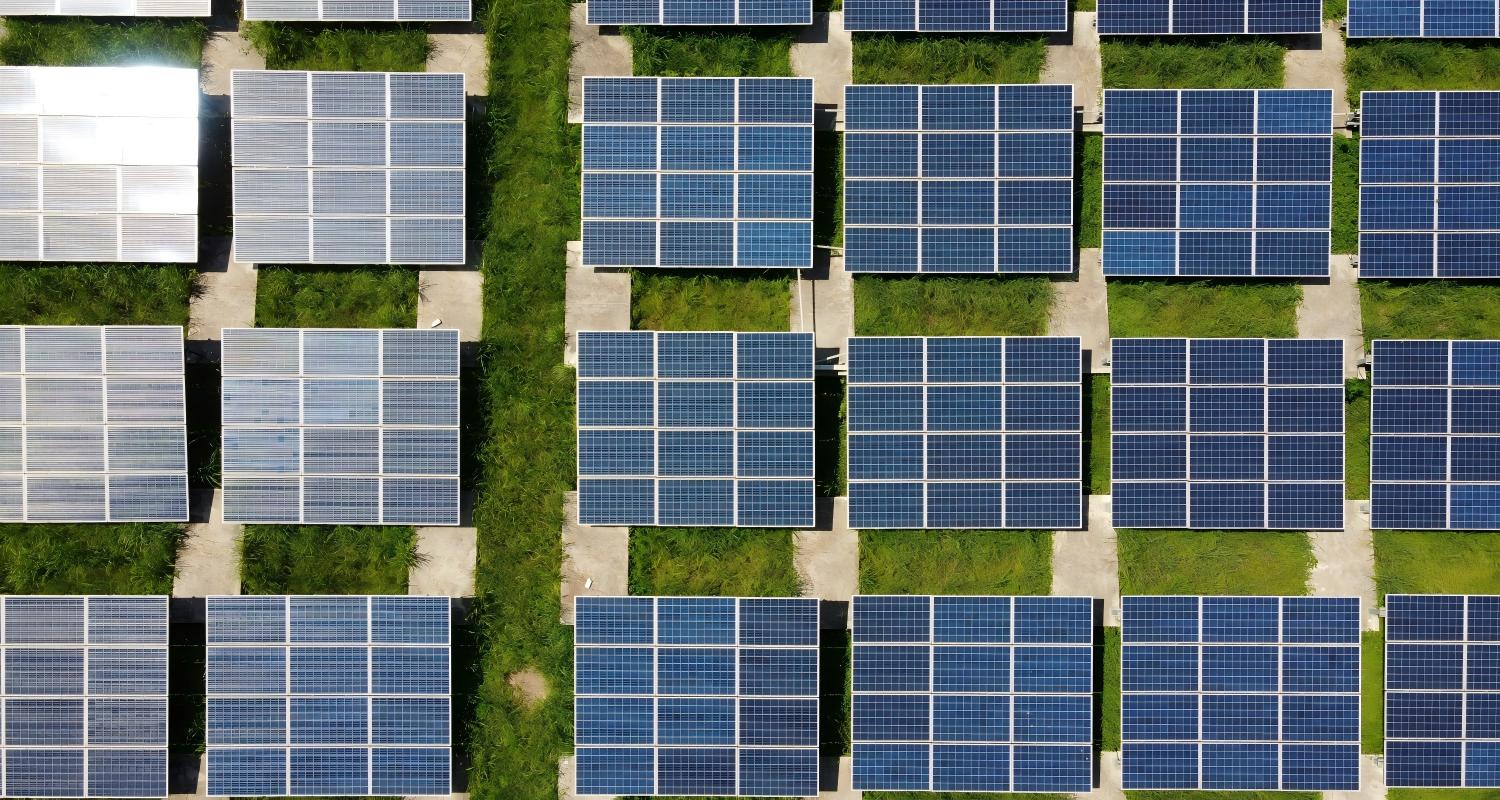
Commercial buildings use a large amount of electricity every day. Offices, shopping centers, hotels, warehouses, schools, and other facilities need stable power for lighting, air conditioning, elevators, equipment, and daily operations. As electricity costs rise, more building owners are looking for ways to lower energy use and improve power management.
Distributed solar PV projects are becoming a practical solution. By installing solar panels close to the point where electricity is used, commercial buildings can generate clean power on site. At the same time, a well-designed solar PV system can reduce grid electricity demand and make better use of available roof or building space.
For commercial solar projects, however, solar panels are only one part of the system. Transformers, distribution cabinets, distribution boxes, and other electrical equipment also play an important role. KUOYU provides high and low voltage electrical equipment that can support different solar PV and commercial power distribution projects.
What Are Distributed Solar PV Projects for Commercial Buildings?
Distributed solar PV projects are solar power systems installed near the electricity users. For commercial buildings, these systems are often installed on rooftops, parking structures, warehouses, factories, or other available spaces.
Unlike large centralized solar farms, distributed PV systems are designed for local power generation. Solar panels convert sunlight into DC electricity. An inverter then converts the power into AC electricity that can be used by the building.
Depending on the project design, the generated electricity can be used in several ways:
- Used directly by the commercial building
- Sent to the local power grid
- Stored in an energy storage system
- Used through a combination of self-consumption and grid connection
Therefore, distributed solar PV can be designed around the building's load profile, available installation area, and local grid conditions.
Why Commercial Buildings Choose Solar PV Systems
Commercial solar PV systems can provide several benefits. First, they can help reduce electricity purchased from the grid. When solar power is produced during working hours, it can directly support the building's daytime electricity demand.
Second, solar energy can improve energy efficiency. Instead of relying completely on grid power, a commercial building can generate part of its electricity on site.
In addition, solar PV supports a lower-carbon energy strategy. This can be useful for companies that have sustainability targets or want to improve their environmental performance.
Key benefits include:
- Lower electricity costs
- Better use of rooftop space
- Reduced dependence on grid electricity
- Clean and renewable power generation
- Improved energy management
- Support for corporate sustainability goals
- Flexible system design for different building sizes
How a Commercial Solar PV Project Works
A typical distributed solar PV project includes several connected stages.
First, solar panels capture sunlight and generate DC electricity. Next, solar inverters convert the DC power into AC power. The electricity then enters the building's electrical distribution system.
Depending on the voltage and project design, transformers and distribution equipment may be needed before the electricity reaches the building's main power system or the utility grid.
A simplified system may include:
Solar Panels → Solar Inverter → Distribution Equipment → Transformer → Building Load or Grid
Each part must work together. Therefore, electrical equipment selection is important for system safety, stable operation, and long-term performance.
Key Electrical Equipment for Commercial Solar PV Projects
Solar panels and inverters receive most of the attention in a PV project. However, electrical distribution equipment is also essential.
For commercial solar PV projects, the main equipment may include transformers, distribution cabinets, distribution boxes, and other high and low voltage equipment.
Solar Transformers for Commercial PV Systems
A transformer can adjust the voltage between different parts of the electrical system. This is especially important when a commercial solar PV project needs to connect with a building's power system or the utility grid.
KUOYU provides oil immersed transformers and pad mounted transformers for power distribution and renewable energy applications. The company's pad mounted transformers are designed for outdoor installation and feature a compact, enclosed structure. They can be used in commercial buildings, industrial facilities, renewable energy systems, and other power projects. Transformer size, voltage, capacity, structure, and configuration can also be customized according to project requirements.
Distribution Cabinets for Solar PV Projects
Distribution cabinets help organize and control electrical power. They can provide protection for circuits while making electrical equipment easier to manage.
For commercial solar PV projects, a suitable distribution cabinet can help connect different parts of the system and support safe power distribution.
KUOYU distribution cabinets are designed for industrial, commercial, and infrastructure applications. They offer a sturdy structure and support customization of size, structure, color, and internal configuration.
Distribution Boxes for Commercial Buildings
Distribution boxes are another important part of a commercial electrical system. They help distribute power to different circuits and equipment.
KUOYU distribution boxes are designed for residential, commercial, and industrial electrical systems. The company supports customization of size, structure, material, color, and internal configuration to meet different project requirements.
What to Consider When Designing a Commercial Solar PV Project
A successful distributed solar PV project needs more than enough solar panels. Several factors should be considered before installation.
Building Electricity Demand
Start by reviewing the building's electricity use. A hotel may have high demand for air conditioning and hot water, while a warehouse may have different load patterns.
Understanding when and how electricity is used helps engineers choose the right solar capacity.
Available Roof or Installation Space
The available installation area directly affects the number of solar panels that can be installed. Roof structure, orientation, shading, maintenance access, and safety should all be checked before construction.
Grid Connection Requirements
If the system will connect to the public grid, voltage levels, protection requirements, metering, and local grid rules must be considered.
This is also where transformers and distribution equipment may become important. Proper equipment selection helps create a stable connection between the solar system, building loads, and the grid.
Electrical Safety
Commercial buildings have many electrical loads. Therefore, protection and power distribution should be carefully designed.
Electrical cabinets, distribution boxes, transformers, and related equipment should be selected according to system voltage, capacity, installation conditions, and protection requirements.
Future Expansion
It is also useful to consider future power demand. A modular and customizable design can make it easier to expand the system later.
How KUOYU Supports Commercial Solar PV Projects
KUOYU focuses on high and low voltage electrical equipment and provides products for power distribution and renewable energy applications.
The company was established in 2017 and has a 20,000-square-meter production base. It also holds ISO 9001 certification and provides customized electrical solutions for different project needs.
KUOYU's main product range includes:
- Oil Immersed Transformer
- Pad Mounted Transformer
- Distribution Cabinet
- Distribution Box
These products can be used across commercial, industrial, infrastructure, and renewable energy projects. The company also emphasizes factory-direct supply, reliable quality, professional service, and customized solutions.
For commercial solar PV projects, customization can be especially useful. Different buildings have different voltage levels, power loads, installation spaces, and connection requirements. KUOYU can adjust equipment specifications and configurations according to project needs.
Why Choose Customized Solar PV Electrical Equipment?
Every commercial building is different. A small office building does not have the same power demand as a large shopping center or warehouse.
For this reason, standard equipment may not always be the best choice. Customized transformers, distribution cabinets, and distribution boxes can be designed around the actual project.
Customization may cover:
- Equipment size
- Voltage level
- Transformer capacity
- Cabinet structure
- Internal configuration
- Material and color
- Installation requirements
This approach can help make better use of available space while supporting the electrical requirements of the solar PV system.
Conclusion: Build Reliable Distributed Solar PV Projects for Commercial Buildings
Distributed solar PV projects offer commercial buildings a practical way to generate clean electricity and improve energy management. With the right system design, solar power can support building loads, reduce grid electricity use, and contribute to long-term energy goals.
However, reliable solar generation also depends on a strong electrical distribution system. Transformers, distribution cabinets, and distribution boxes are important parts of the overall project.
With experience in high and low voltage electrical equipment, a 20,000-square-meter production base, ISO 9001 certification, and customized product capabilities, KUOYUcan provide electrical equipment solutions for commercial solar PV and other renewable energy projects.
For commercial solar PV projects, choosing the right electrical equipment at the design stage can help create a safer, more stable, and more efficient power system.
Share to:


