Distributed Photovoltaic Systems for Energy Independence
Discover how distributed photovoltaic systems support energy independence, reduce grid dependence, and improve power control with reliable solar electrical equipment.
2026/08/20
Reading volume: 0
News Details
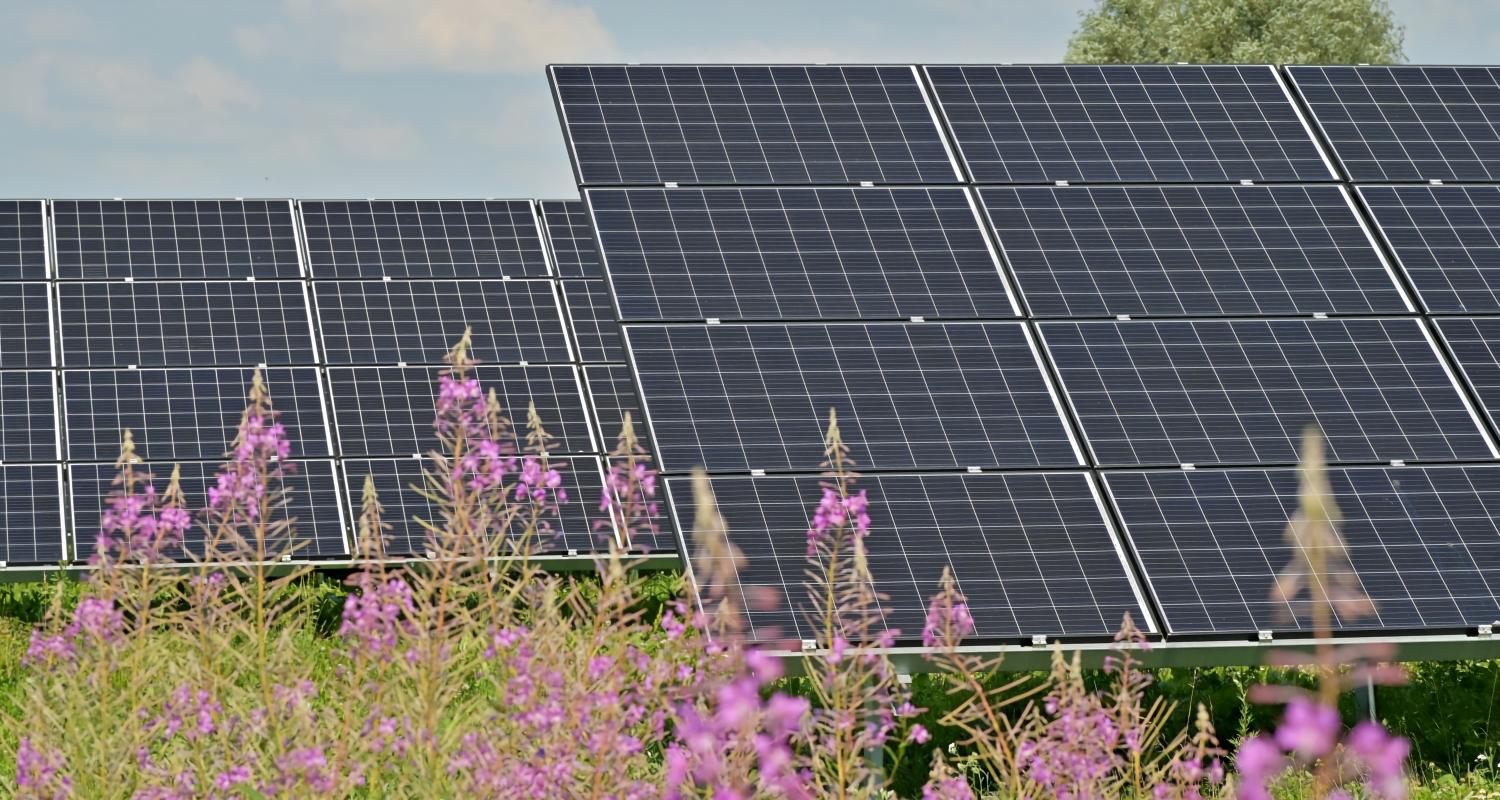
As energy costs rise and power needs grow, more businesses and property owners are looking for reliable ways to control their energy use. Distributed photovoltaic systems offer a practical solution. By producing solar power close to where it is used, these systems can reduce grid dependence, lower electricity costs, and improve energy resilience.
At the same time, a well-designed distributed solar PV system needs more than solar panels. Reliable transformers, distribution cabinets, distribution boxes, and other electrical equipment are also important. Therefore, choosing the right electrical equipment supplier is a key part of building a safe and stable solar power system.
What Are Distributed Photovoltaic Systems?
Distributed photovoltaic systems are solar power systems installed close to the electricity loads they serve. Unlike large utility-scale solar farms, distributed PV systems can be installed on commercial buildings, factories, warehouses, schools, homes, and other local sites.
Solar panels convert sunlight into DC electricity. Then, an inverter converts the electricity into AC power for daily use. Depending on the system design, extra power can be stored in batteries or sent to the utility grid.
As a result, distributed solar PV systems can help users make better use of local solar energy while reducing their need for electricity from the grid.
How Distributed Solar PV Systems Support Energy Independence
Energy independence does not always mean completely disconnecting from the power grid. Instead, it often means reducing dependence on outside power and having greater control over energy supply.
Distributed photovoltaic systems support this goal in several ways.
First, they produce electricity on site. This can reduce the amount of power that needs to travel from distant power plants.
Second, solar power can reduce grid electricity use during sunny hours. For businesses with high daytime loads, this can be especially useful.
Third, distributed PV can work with energy storage systems. When solar power is not available, stored energy can help supply important loads.
Finally, a local solar power system can improve energy resilience. With the right system design, businesses can have more flexibility when grid power is limited or electricity prices change.
Key Components of a Distributed Photovoltaic System
A complete distributed solar PV system includes several important parts. Each part plays a different role in safe and efficient power delivery.
Solar Panels for Distributed Solar Power Generation
Solar panels are the main power generation part of a photovoltaic system. They convert sunlight into electrical energy.
For commercial and industrial projects, the number and type of panels should match the available roof or ground space, local sunlight conditions, and expected power demand.
Solar Inverters for PV Power Conversion
Solar inverters convert DC power from solar panels into AC power that can be used by electrical equipment.
The inverter also helps control and monitor the flow of solar electricity. Therefore, selecting an inverter that matches the PV system capacity and voltage requirements is important.
Distribution Boxes for Solar PV Systems
A distribution box helps manage and protect electrical circuits. It can be used to organize power distribution and improve circuit protection within a solar power project.
KUOYU provides distribution boxes for residential, commercial, and industrial electrical systems. The products can be customized in size, structure, material, color, and internal configuration to meet different project needs.
Distribution Cabinets for Commercial Solar Systems
For larger distributed photovoltaic projects, distribution cabinets can provide organized and stable power management.
A suitable distribution cabinet can help protect electrical circuits and support reliable power distribution. KUOYU distribution cabinets are designed for industrial, commercial, and infrastructure applications. They are available for indoor and outdoor use, with customized sizes, structures, colors, and internal configurations.
Transformers for Distributed Solar PV Projects
Transformers are another key part of many commercial and industrial solar PV systems. They help change voltage levels so that electricity can be safely transmitted or connected to the required power network.
KUOYU supplies oil immersed transformers and pad mounted transformers for power distribution and renewable energy applications. Its oil immersed transformers are designed for stable voltage output, efficient cooling, low energy loss, and long-term operation.
Why Pad Mounted Transformers Are Useful for Solar PV Systems
Pad mounted transformers are often a practical choice for outdoor solar power projects. Their compact and enclosed design can provide safe power distribution while saving installation space.
They can be used in residential communities, commercial buildings, industrial facilities, renewable energy systems, and public infrastructure projects. KUOYU pad mounted transformers can also be customized in voltage, capacity, size, structure, and configuration according to project requirements.
Therefore, they can be a suitable option for distributed photovoltaic projects that require reliable outdoor electrical equipment.
Benefits of Distributed Photovoltaic Systems for Businesses
For commercial and industrial users, distributed solar PV can provide several long-term benefits.
Lower Electricity Costs
Solar power generated on site can reduce the amount of electricity purchased from the grid. This is particularly useful for buildings that use a large amount of electricity during daylight hours.
Better Energy Control
With local power generation, businesses can better understand and manage their energy use. In addition, monitoring systems can help identify power demand and improve energy planning.
Reduced Grid Dependence
Distributed solar power gives businesses another source of electricity. As a result, they can reduce their dependence on traditional grid power.
Support for Clean Energy Goals
Solar power produces electricity without direct fuel combustion during operation. Therefore, distributed PV can help companies move toward cleaner energy use and support their sustainability goals.
Flexible System Design
Distributed PV systems can be designed for many types of buildings and sites. They can also be expanded as electricity demand changes.
How to Design a Reliable Distributed Solar PV System
A successful photovoltaic project should start with careful planning. Several factors need to be considered.
First, evaluate the site's solar resources and available installation space. Next, review the building's electricity demand and daily load pattern.
Then, select suitable solar panels, inverters, transformers, distribution cabinets, and other electrical equipment. The system voltage, capacity, protection requirements, and installation environment should all be considered.
In addition, outdoor equipment should have suitable protection against weather and environmental conditions. For commercial and industrial projects, customized electrical equipment can also help achieve better installation results.
Finally, the system should be tested and maintained after installation. Regular inspections can help identify electrical problems early and support stable operation.
KUOYU Electrical Equipment for Distributed PV Projects
KUOYU is an electrical equipment manufacturer specializing in high and low voltage electrical equipment. Hebei Kuoyu Electric Power Technology Co., Ltd. was established in 2017 and has a 20,000-square-meter production base. The company also holds ISO9001 certification and provides customized electrical solutions for different project needs.
For distributed photovoltaic applications, KUOYU offers several products that can support power distribution and voltage management, including:
- Oil Immersed Transformers
- Pad Mounted Transformers
- Distribution Cabinets
- Distribution Boxes
These products can be used in commercial, industrial, infrastructure, and renewable energy applications. Moreover, KUOYU supports customized solutions, helping customers match equipment size, capacity, structure, and internal configuration with specific project requirements.
Choose Distributed Photovoltaic Systems for Greater Energy Independence
Distributed photovoltaic systems provide a practical way to generate electricity close to the point of use. They can reduce grid dependence, lower energy costs, improve energy control, and support clean energy goals.
However, solar panels alone are not enough to build a reliable PV system. Transformers, distribution cabinets, distribution boxes, and other electrical equipment are also essential for safe and stable power delivery.
Therefore, working with an experienced electrical equipment manufacturer can make a major difference. With reliable products and customized solutions,KUOYUcan support the electrical distribution needs of commercial, industrial, and renewable energy projects.
Share to:


