Smart Distributed Solar Power Project Solutions
News Details
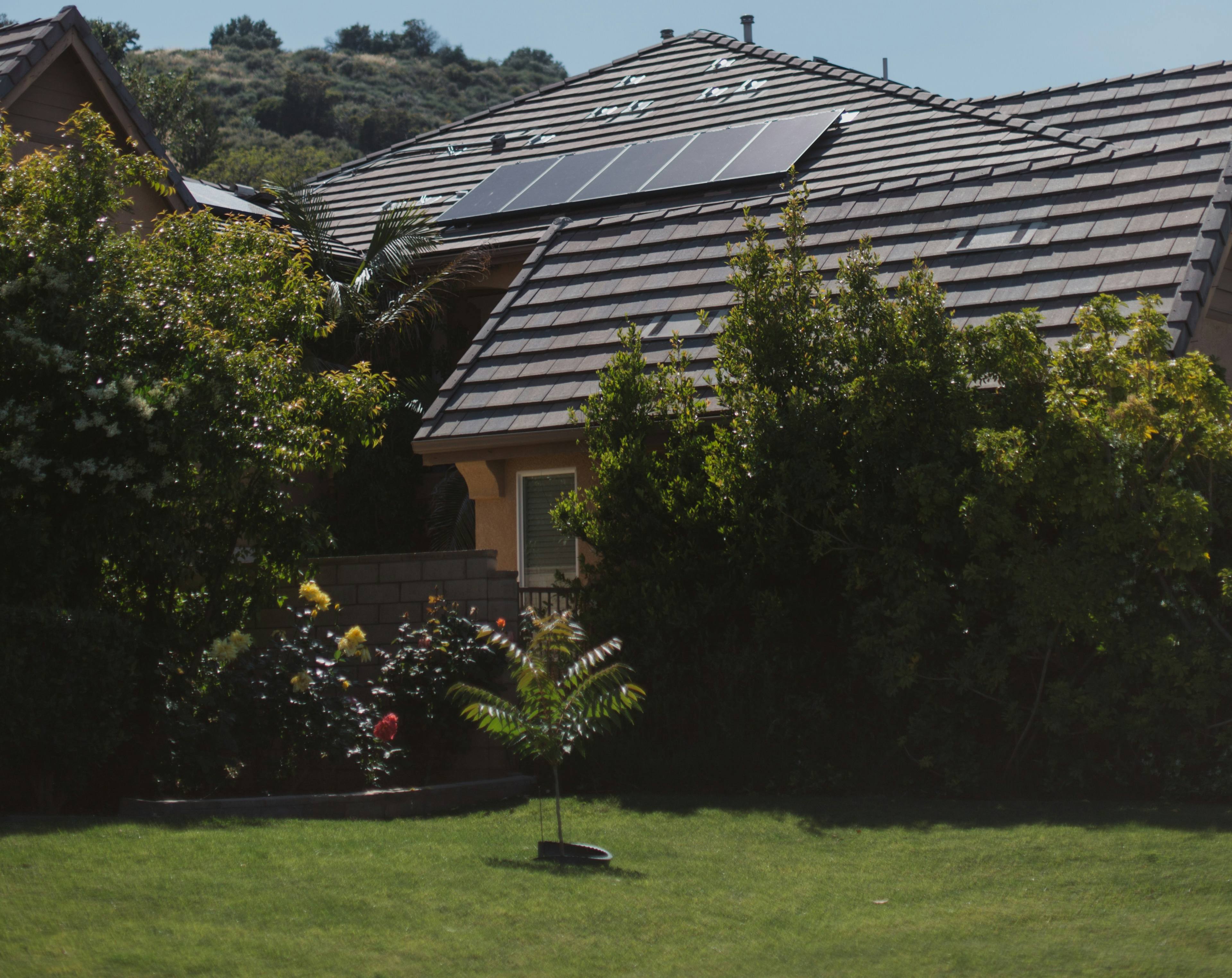
Distributed solar power is becoming an important way to use clean energy. Unlike large centralized solar plants, distributed solar systems can be built close to homes, factories, commercial buildings, and public facilities. As a result, they can reduce transmission needs and make better use of available space.
However, a distributed solar power project needs more than solar panels. Reliable power distribution equipment is also important. Transformers, distribution cabinets, distribution boxes, and other electrical equipment help connect solar power to the local electrical system.
Therefore, choosing the right equipment is a key part of building a safe and stable distributed solar power project. With the right design, electrical equipment can support stable power delivery, easier maintenance, and long-term operation.
What Is a Distributed Solar Power Project?
A distributed solar power project is a solar power system installed near the place where electricity is used. For example, solar panels can be installed on factory roofs, commercial buildings, residential communities, warehouses, schools, and public facilities.
The basic process is simple. Solar panels produce DC electricity. An inverter then changes it into AC electricity. After that, electrical equipment manages, protects, transforms, and distributes the power to loads or the local grid.
Because these systems are often installed in different locations, each project can have different requirements. System capacity, voltage level, installation space, outdoor conditions, and load demand all need to be considered.
For this reason, a smart distributed solar power solution should combine suitable solar equipment with reliable power distribution products.
Why Smart Solar Power Distribution Matters
A solar system needs stable electrical connections to work safely. At the same time, distributed solar projects can have changing power output because solar generation depends on sunlight.
Therefore, the power distribution system should be designed to handle different operating conditions.
A well-designed solar power distribution system can help with:
- Stable power distribution
- Safe circuit protection
- Voltage transformation
- Better equipment organization
- Outdoor and indoor installation
- Easier system maintenance
- Flexible project design
In addition, different projects may require different equipment sizes and configurations. As a result, customized electrical equipment can make installation easier and help match the actual needs of the project.
Key Electrical Equipment for Distributed Solar Projects
A complete distributed solar power project may use several types of electrical equipment. Each product has a different role.
Solar Power Distribution Cabinets for System Control
A distribution cabinet provides a central place for electrical distribution and protection. It can help organize circuits and electrical components while supporting safe power management.
For commercial and industrial solar projects, the distribution cabinet can be designed according to the system structure and installation conditions.KUOYUprovides distribution cabinets for industrial, commercial, and infrastructure applications. Its cabinets use sturdy structures and can be customized in size, structure, color, and internal configuration.
This flexibility is useful for distributed solar projects because installation spaces are not always the same.
Solar Distribution Boxes for Local Power Distribution
Distribution boxes are another important part of a solar power system. They can be used for power control, circuit protection, equipment management, and electrical distribution.
For smaller distributed solar systems, a suitable distribution box can help keep electrical connections organized. For larger systems, several distribution boxes may be used in different areas.
KUOYU distribution boxes are designed for residential, commercial, and industrial electrical systems. The company also supports customization of size, structure, material, color, and internal configuration.
Therefore, the equipment can be adapted to different project layouts and installation requirements.
Pad Mounted Transformers for Outdoor Solar Projects
Some distributed solar projects need voltage transformation before electricity is delivered to the local grid or loads. In these cases, a pad mounted transformer can be a practical solution.
A pad mounted transformer is designed for outdoor power distribution. Its enclosed structure helps protect internal electrical components while keeping the equipment compact.
KUOYU's pad mounted transformers are designed for outdoor installation and can be used in renewable energy systems, residential communities, commercial buildings, industrial facilities, and public infrastructure projects. The company states that transformer size, voltage, capacity, structure, and configuration can be customized according to project requirements.
This makes pad mounted transformers suitable for distributed solar projects where space, voltage, and installation conditions need to be considered together.
Oil Immersed Transformers for Solar Power Distribution
Oil immersed transformers can also be used in renewable energy and power distribution systems. They use transformer oil for insulation and cooling, helping support stable operation.
KUOYU offers oil immersed transformers for industrial power distribution, substations, renewable energy, and commercial applications. The product is designed for efficient cooling, stable voltage output, low energy loss, and long-term operation.
For a distributed solar project, the correct transformer should be selected according to voltage, capacity, load demand, installation conditions, and system design.
How to Design a Smart Distributed Solar Power System
A smart distributed solar project should start with the actual power demand. First, project engineers need to understand how much electricity the site uses and when the demand is highest.
Next, the solar capacity can be planned according to the available installation area and energy demand. At the same time, the electrical distribution system should be planned together with the solar system.
A basic design process can include the following steps:
Assess the Solar Project Site
First, check the available roof or ground area. The site should also be reviewed for sunlight, installation conditions, equipment space, cable routes, and environmental factors.
Calculate Power Demand
Next, review the site's current and future electricity demand. This helps determine the suitable solar capacity, transformer capacity, and distribution equipment.
Select the Right Transformer
The transformer should match the system voltage and power requirements. Outdoor projects may require a pad mounted transformer, while other applications may use an oil immersed transformer or another suitable transformer type.
Plan Distribution Cabinets and Boxes
After that, distribution cabinets and boxes can be arranged according to the system layout. Their size and internal configuration should match the electrical components and installation space.
Consider Future Expansion
Finally, it is useful to consider future power demand. A flexible electrical design can make it easier to expand the solar system or modify the distribution system later.
KUOYU Electrical Products for Solar Power Projects
KUOYU, officially Hebei Kuoyu Electric Power Technology Co., Ltd., was founded in 2017 and is headquartered in Shijiazhuang, China. The company has a 20,000-square-meter production base and focuses on high- and low-voltage electrical equipment. It also holds ISO 9001 certification.
Its product range includes transformers, distribution boxes, distribution cabinets, and pad mounted transformers. These products can support different stages of power distribution in distributed solar projects.
One important feature is customization. KUOYU supports customized electrical equipment based on project requirements. Depending on the product, customers can request changes to size, structure, voltage, capacity, material, color, and internal configuration.
This can be useful for solar projects with special installation spaces or different electrical system designs.
Benefits of Customized Solar Power Distribution Equipment
Every distributed solar project is different. A factory rooftop system may have different requirements from a residential community or commercial building.
Customized equipment can provide several practical benefits.
First, the equipment can better match the available installation space. Second, electrical components can be arranged according to the system design. Third, the voltage and capacity can be selected based on project requirements.
In addition, customized cabinets and boxes can help improve equipment organization. This can make future inspection and maintenance easier.
For outdoor projects, equipment structure and environmental protection should also be considered. Therefore, selecting suitable materials and enclosure designs is important for long-term operation.
Applications of Distributed Solar Power Solutions
Smart distributed solar power systems can be used in many areas.
Industrial Solar Power Projects
Factories often have large electricity loads during the day. Rooftop solar can help use available building space for power generation. Transformers, distribution cabinets, and distribution boxes can then help manage and deliver the generated electricity.
Commercial Solar Power Systems
Shopping centers, office buildings, hotels, and warehouses can also use distributed solar power. A suitable power distribution system can help connect solar generation with building loads.
Residential Solar Projects
Residential communities can use distributed solar systems to generate electricity close to the point of use. Compact distribution equipment can help manage power within the system.
Public Infrastructure Solar Projects
Schools, public buildings, transportation facilities, and other infrastructure can also use distributed solar power. In these projects, equipment reliability, safety, and installation conditions are especially important.
How to Choose a Distributed Solar Power Equipment Manufacturer
When selecting an electrical equipment supplier, look beyond product price. Instead, consider the manufacturer's production capability, quality system, customization service, product range, and project support.
First, check whether the manufacturer has experience producing high- and low-voltage electrical equipment. Next, review its factory capacity and quality management system.
It is also important to check whether the supplier can provide different products for the same project. For example, a solar project may need transformers, distribution cabinets, and distribution boxes from the same supplier.
Finally, ask about customization. If the project has special voltage, size, structure, or installation requirements, flexible customization can make the overall project easier to manage.
Build a Reliable Smart Distributed Solar Power Project
Distributed solar power is not only about generating electricity. It also requires a safe and well-planned electrical distribution system.
Therefore, transformers, distribution cabinets, and distribution boxes should be selected as part of the complete solar power project. The right equipment can help support stable power transmission, organized electrical control, and flexible project design.
KUOYUprovides transformers, pad mounted transformers, distribution cabinets, and distribution boxes for industrial, commercial, renewable energy, and other power distribution applications. With factory production, ISO 9001 certification, and customized product options, KUOYU can provide electrical equipment solutions based on different project requirements.
For a new distributed solar project, starting with the site's power demand, voltage requirements, installation conditions, and future expansion plans can help create a more suitable power distribution solution.


