Tips for Choosing a Pad Mounted Transformer
News Details
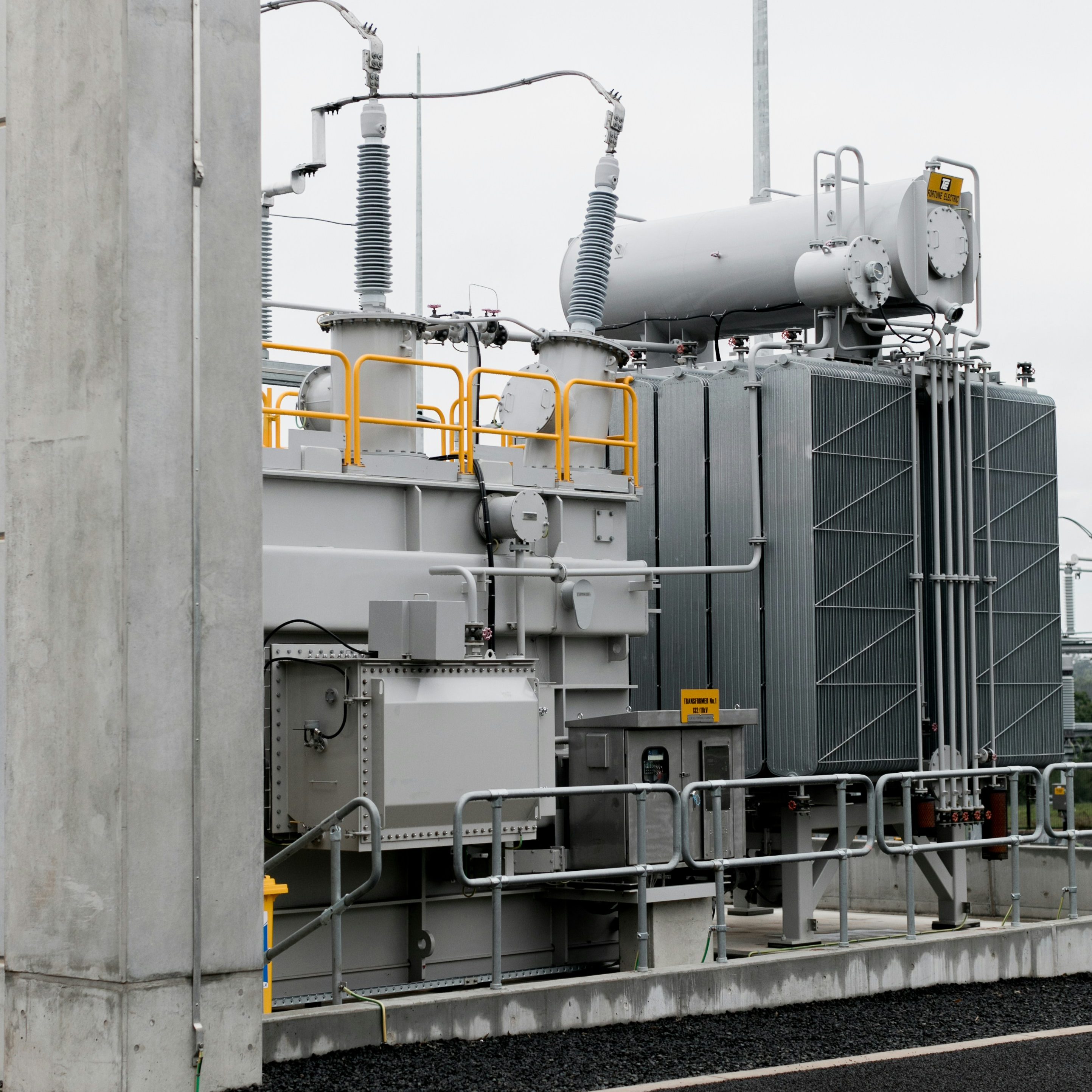
Choosing the right
pad mounted transformer
is important for a safe and reliable power distribution system. Whether you are planning a residential project, a commercial building, or an industrial facility, the transformer must meet your power needs and installation conditions. However, different projects have different electrical requirements. Therefore, you should consider more than just the price when selecting a transformer. Its capacity, voltage, phase, safety features, and outdoor performance all matter.In this guide, we will explain how to choose the right pad mounted transformer step by step. We will also introduce some key product features fromKUOYU
to help you make a better choice.What Is aPad Mounted Transformer
and How Does It Work?A pad mounted transformer is an outdoor power distribution device installed on a concrete base. It reduces medium-voltage electricity to a lower voltage that homes, businesses, and factories can use.
- Unlike traditional pole-mounted transformers, this type of transformer is installed at ground level. It usually has a fully enclosed metal cabinet, which helps protect internal electrical parts from weather, dust, and accidental contact.
Protective cabinet: Provides an extra layer of protection for outdoor use.
Because of its compact design and ground-level installation, a pad mounted transformer is a popular choice for modern underground power distribution systems.
Why Is Choosing the Right Pad Mounted Transformer Important?
A suitable transformer helps keep your power system stable and safe. On the other hand, a poorly selected unit may cause several problems.
First, an undersized transformer may not support the total electrical load. As a result, it may overheat or fail to meet the project's power demand.
Second, an oversized transformer may increase the initial investment and operating costs. In addition, it may work below its ideal load level for long periods.
Finally, an unsuitable outdoor design may lead to higher maintenance needs and a shorter service life.
Therefore, selecting the right transformer from the beginning can help reduce costs, improve power efficiency, and support long-term operation.
1. Check the Required Pad Mounted Transformer Capacity
Capacity is one of the first things to consider. It determines how much electrical load the transformer can handle.
- Transformer capacity is usually measured in kVA (kilovolt-amperes). Before choosing a model, you should calculate the total power demand of your project.
Load type: Check whether your system mainly uses motors, lighting, heating, or other electrical equipment.
For example, a factory with many large machines may need a higher-capacity transformer than a small office building.
However, do not choose a transformer based only on your current load. A reasonable capacity margin can help support future growth. It is best to ask an electrical engineer to calculate the correct kVA rating.
2. Confirm the Primary and Secondary Voltage
Voltage is another important factor when selecting a pad mounted transformer. You must make sure that the transformer matches both the incoming power supply and the voltage required by your equipment.
There are two main voltage values to check:
Primary Voltage
This is the incoming voltage from the utility grid or another power source. Different regions and power networks use different voltage levels.
Secondary Voltage
This is the output voltage supplied to buildings, machines, and other electrical equipment.
- For example, a project may need to reduce medium-voltage electricity to a lower voltage for commercial or industrial use.
Required voltage adjustment range
In addition, check the local utility requirements. This helps avoid connection problems after the transformer arrives.
3. Choose the Right Phase Type for Your Power System
Pad mounted transformers are available for different phase requirements. The right choice depends on the electrical system and the type of load.
Single-Phase Transformer
Single-phase transformers are commonly used in residential areas and smaller power distribution systems. They can supply electricity to homes, small buildings, and light electrical loads.
Three-Phase Transformer
Three-phase transformers are widely used in commercial buildings, factories, shopping centers, and other large facilities. They provide power for heavy equipment and larger electrical systems.
Before making a decision, check your existing power network and equipment requirements. Choosing the correct phase type helps improve system performance and avoid unnecessary installation changes.
4. Consider the Outdoor Protection and Safety Features
Since pad mounted transformers are installed outdoors, their protection design is very important.
They may face rain, dust, moisture, high temperatures, snow, and other environmental conditions. Therefore, you should choose a transformer with a strong enclosure and a suitable protection design.
Here are several features worth checking:
Fully Enclosed Cabinet
A fully enclosed cabinet helps protect internal electrical parts from external damage and accidental contact. It also helps improve safety in public and residential areas.
Weather Resistance
The enclosure and protective coating should match the local climate. For example, coastal areas may require better corrosion protection because of salt in the air.
Electrical Protection
Check the protection devices, grounding design, and safety arrangements. These features help reduce electrical risks and support stable operation.
Insulation Performance
Good insulation helps prevent electrical faults and supports reliable operation. Therefore, you should check the insulation system and its suitability for your working environment.
In addition, always confirm the required safety standards and local electrical codes before purchasing.
5. Check the Energy Efficiency of the Pad Mounted Transformer
- Energy efficiency has a direct effect on long-term operating costs. A transformer works for many years, so even small differences in energy loss can make a difference over time.
Load loss: Energy lost when current flows through the transformer windings under load.
A high-quality silicon steel core can help reduce core losses. Meanwhile, suitable copper or aluminum windings can support good electrical performance.
When comparing different models, check their efficiency data and loss values. Also, consider the expected load level and operating hours.
As a result, you can select a transformer that balances the purchase price and long-term energy costs.
6. Select a Suitable Cooling Method
Cooling is another important part of transformer selection. During operation, electrical losses produce heat. If the heat cannot be removed properly, it may affect insulation and equipment life.
- Many outdoor pad mounted transformers use liquid-filled designs. The insulating liquid helps transfer heat away from the core and windings.
Maintenance needs
Different projects may require different cooling methods. Therefore, you should discuss the available options with the manufacturer before ordering.
7. Measure the Installation Space and Foundation
Even a transformer with the right electrical specifications may not fit your project if you ignore the installation space.
- A pad mounted transformer is usually installed on a concrete foundation. Therefore, you need to check the site conditions before choosing the final model.
Local safety clearance requirements
Also, make sure the installation area is suitable for the equipment weight and underground cable layout.
For projects with limited space, a compact transformer design can be a useful choice. However, safety clearance and maintenance access should always come first.
8. Choose a Reliable Pad Mounted Transformer Manufacturer
The manufacturer is just as important as the transformer itself. A reliable supplier can help you select the right specifications, control product quality, and provide technical support.
Before choosing a manufacturer, consider the following factors:
Manufacturing Experience
Check the company's production history, factory facilities, and experience in electrical equipment manufacturing.
Quality Control
Ask about material inspection, production checks, and product testing procedures. These steps help ensure stable product quality.
Customization Service
Different projects may have different voltage levels, capacities, cabinet sizes, and installation needs. A manufacturer that supports customization can provide a better match.
Technical Support
Good communication is important during product selection, production, delivery, and installation. Therefore, choose a supplier that can understand your project requirements.
Certifications and Standards
Check the manufacturer's available certificates and confirm that the proposed transformer meets the standards required in your target market.
9. Why Choose KUOYU Pad Mounted Transformers?
KUOYU provides outdoor power distribution solutions for residential, commercial, industrial, and renewable energy projects.
- Its pad mounted transformer features a compact structure and a fully enclosed design. In addition, the product focuses on electrical safety, reliable performance, and long-term outdoor use.
Flexible Customization: Transformer dimensions, voltage, capacity, cooling methods, winding materials, coatings, and protection systems can be customized.
|
Customization Item Available OptionsTransformer size Customized dimensionsVoltage Based on project requirementsCapacity Customized kVA ratingWinding material Copper or aluminumCooling method Different cooling optionsCabinet protection Special coating and corrosion protectionAccessories Customized protection systems and accessories |
|---|
These options help customers select equipment that matches their electrical systems and installation conditions.
KUOYU's manufacturing background also supports its product supply. Founded in 2017, Hebei Kuoyu Electric Power Technology Co., Ltd. has a production base of approximately 20,000 square meters. The company focuses on high and low voltage electrical equipment and provides customized solutions for different customer needs.
If you are looking for a pad mounted transformer manufacturer, you can learn more about its products here:KUOYU Pad Mounted Transformer for Outdoor Power Distribution
10. Common Applications of Pad Mounted Transformers
Pad mounted transformers are used in many industries because of their compact design, outdoor protection, and flexible installation options.
Residential Communities
They provide stable electricity for houses, apartment buildings, and residential areas. Their enclosed design also makes them suitable for locations where public safety and appearance matter.
Commercial Buildings
Shopping centers, hotels, office buildings, schools, and hospitals need a reliable power supply. Pad mounted transformers can support their daily electrical needs.
Industrial Facilities
Factories and warehouses often have large electrical loads. A properly selected transformer helps supply power to production machines, lighting systems, and other equipment.
Solar and Renewable Energy Projects
Solar farms, wind power stations, and energy storage systems may use pad mounted transformers to support voltage conversion and grid connection.
Public Infrastructure
Airports, railway stations, highways, and municipal facilities also need stable power distribution. Outdoor transformers can support these projects when their electrical and environmental specifications are suitable.
11. Questions to Ask Before Buying a Pad Mounted Transformer
Before placing an order, it is helpful to prepare a clear list of technical requirements. This can reduce communication time and help the manufacturer provide a suitable solution.
Here are some common questions to consider:
Q1: What information do I need to buy a pad mounted transformer?
You should prepare the required capacity, primary voltage, secondary voltage, phase, frequency, installation environment, and project application. If possible, also provide your electrical drawings.
Q2: Can a pad mounted transformer be customized?
Yes. Many manufacturers support customized solutions. For example, KUOYU can customize transformer dimensions, voltage, capacity, structure, winding materials, cooling methods, and protection options according to project requirements.
Q3: How long does a pad mounted transformer last?
Its service life depends on product quality, load conditions, insulation, cooling, installation, and maintenance. Proper selection and regular inspection can help extend its working life.
Q4: Is a pad mounted transformer suitable for solar power projects?
Yes. Pad mounted transformers are commonly used in solar power systems to support voltage conversion and grid connection. However, the capacity and voltage ratings must match the project design.
Q5: What is the difference between a pad mounted transformer and a pole mounted transformer?
A pad mounted transformer is installed on a ground-level concrete base and usually has a fully enclosed cabinet. A pole mounted transformer is installed on an overhead utility pole. The choice depends on the distribution network, available space, safety needs, and local utility requirements.
Conclusion: Choose the Right Pad Mounted Transformer for Long-Term Performance
Choosing the right pad mounted transformer requires careful planning. You need to consider capacity, voltage, phase, energy efficiency, cooling, outdoor protection, and installation space.
At the same time, choosing an experienced manufacturer can make the purchasing process easier. A reliable supplier should understand your technical requirements and offer suitable product options.KUOYUprovides pad mounted transformers with flexible customization options for residential, commercial, industrial, and renewable energy applications. Whether you need a standard model or a customized solution, you can contact KUOYU to discuss your project requirements and find a suitable power distribution solution.


