Cost-Effective Distributed PV Projects for Businesses
News Details
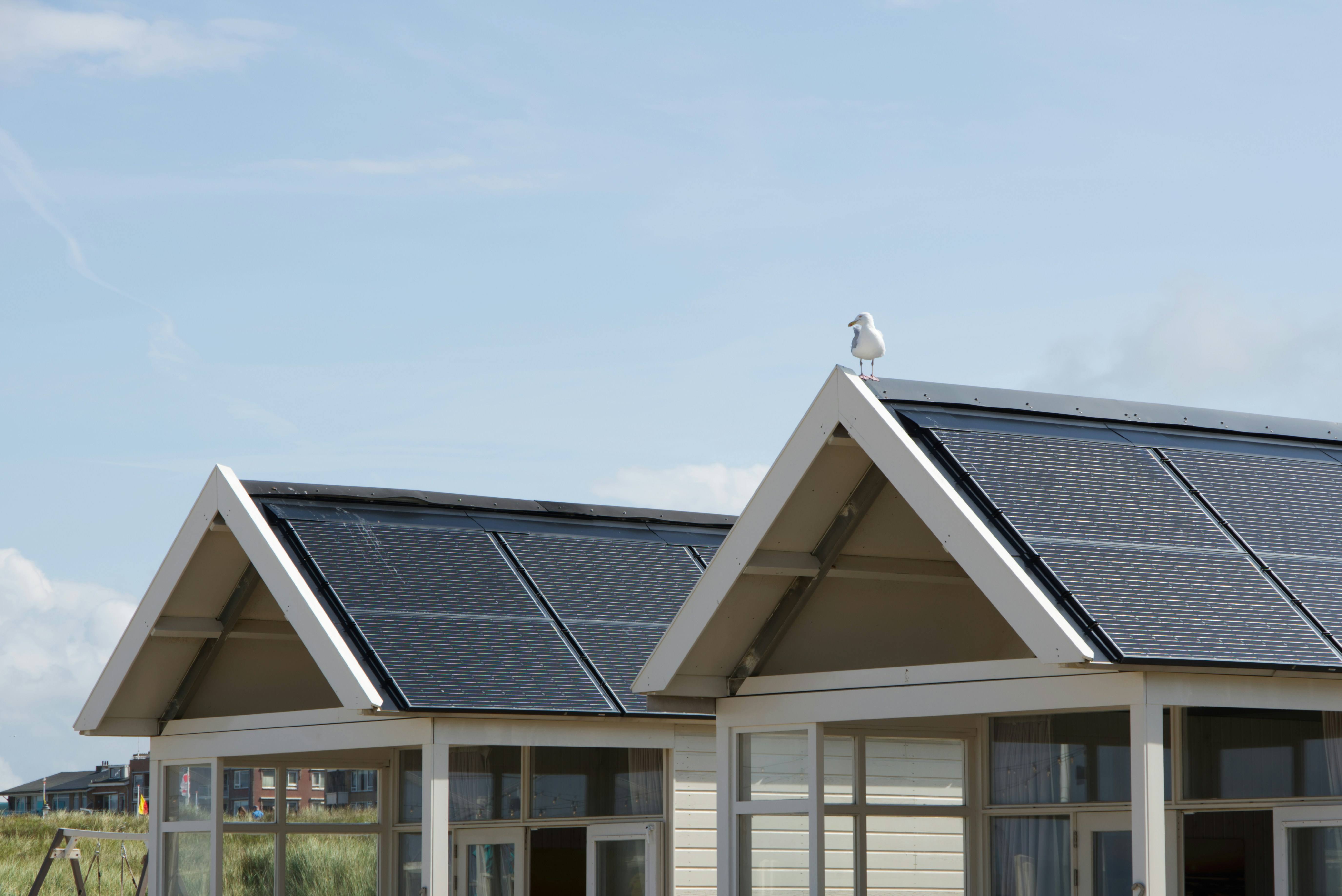
Distributed photovoltaic (PV) systems are becoming a practical way for businesses to manage energy costs. By installing solar panels on rooftops, parking areas, factories, warehouses, or other suitable sites, companies can generate electricity close to where it is used.
However, a cost-effective distributed PV project needs more than solar panels. The electrical system also plays an important role. Transformers, distribution cabinets, distribution boxes, and other power equipment help connect solar power to the building or local grid.
Therefore, businesses should consider the full electrical system when planning a distributed PV project. With the right equipment and a suitable design, companies can improve power use, control project costs, and build a more reliable solar power system.
What Is a Distributed PV Project for Businesses?
A distributed PV project is a solar power system installed close to the electricity load. Unlike large centralized solar farms, distributed PV systems are often built on existing commercial or industrial spaces.
For example, a business may install solar panels on:
- Factory rooftops
- Warehouse roofs
- Office buildings
- Shopping centers
- Parking structures
- Industrial facilities
- Commercial buildings
The electricity generated by the PV system can be used by the business. Depending on the local grid rules and project design, excess electricity may also be sent to the grid.
Because the power is generated close to the load, distributed PV can reduce the need to move electricity over long distances. At the same time, businesses can make better use of existing roof and site space.
Why Distributed PV Can Be Cost-Effective for Businesses
There are several reasons why commercial and industrial users consider distributed PV.
First, businesses can use existing buildings and land. A suitable rooftop, for example, may provide space for solar panels without requiring a new site.
Second, solar power can reduce the amount of electricity purchased from the grid during periods of solar production. This can be useful for businesses with daytime electricity demand.
In addition, modern PV systems can be designed around the actual power needs of a facility. This helps businesses avoid unnecessary equipment and capacity.
However, the total project cost depends on more than the price of solar panels. Electrical equipment, installation, wiring, protection, transformers, maintenance, and system design also affect the final investment.
Key Electrical Equipment for Distributed PV Systems
A reliable distributed PV project needs a complete electrical system. Solar panels generate DC power, while most business loads use AC power. Therefore, several electrical devices work together to convert, distribute, protect, and manage electricity.
Important equipment may include:
- Solar panels
- Solar inverters
- Transformers
- Distribution cabinets
- Distribution boxes
- Protection devices
- Cables and connection equipment
- Monitoring and control equipment
Among these components, transformers and distribution equipment are especially important for connecting the PV system with the business's electrical network.
How Transformers Support Cost-Effective PV Projects
Transformers help change electrical voltage levels so that power can be distributed and used safely and efficiently.
For larger commercial and industrial PV projects, the transformer needs to match the system voltage, capacity, installation environment, and expected load.
KUOYU provides transformer solutions for power distribution and renewable energy applications. Its product range includes oil immersed transformers and pad mounted transformers. The company states that its transformers can provide stable voltage output, low energy loss, and long-term operation.
For outdoor distributed PV projects, a pad mounted transformer can be a practical option. Its enclosed structure helps support safe outdoor installation while keeping the equipment compact.
More importantly, KUOYU supports customization of transformer size, voltage, capacity, structure, and configuration. This allows the equipment to be matched with different PV project requirements.
Distribution Cabinets Improve PV Power Management
After electricity is generated and converted, it needs to be distributed to different loads or connected to the grid. A distribution cabinet provides an organized point for power distribution and protection.
For commercial and industrial PV systems, the cabinet can help manage electrical circuits and provide protection for connected equipment.
KUOYU's distribution cabinets are designed for industrial, commercial, and infrastructure applications. According to the company, they use high-quality materials and are available for indoor and outdoor environments. Custom sizes, structures, colors, and internal configurations are also available.
This flexibility can be useful when a PV project has limited installation space or special electrical requirements.
Distribution Boxes for Business PV Systems
Distribution boxes are another important part of a commercial PV electrical system. They can be used for power control, circuit protection, and equipment management.
KUOYU distribution boxes are designed for residential, commercial, and industrial electrical systems. The company also supports customization of size, structure, material, color, and internal configuration.
As a result, businesses can select a distribution box based on the actual installation environment instead of using a one-size-fits-all solution.
How to Reduce Distributed PV Project Costs
A cost-effective PV project is not simply the project with the lowest equipment price. Instead, businesses should look at the total cost over the project life.
Choose Equipment Based on Actual Load
First, understand the site's electricity demand. The transformer, distribution cabinet, and other equipment should match the required capacity.
Oversized equipment may increase the initial investment. On the other hand, equipment that is too small may create operating problems.
Therefore, accurate load analysis should come before equipment selection.
Use Customized Electrical Equipment
Every building has different space, voltage, capacity, and installation requirements. Standard products may not always fit the site.
Customized transformers and distribution equipment can help make better use of available space. They can also help match the electrical design more closely.
KUOYU provides customized options for its transformers, distribution cabinets, and distribution boxes.
Consider Energy Loss
Energy loss is another factor to consider. Electrical equipment operates for many years, so even small efficiency differences can affect long-term operating costs.
For this reason, businesses should consider both purchase price and operating performance when selecting transformers and other power equipment.
Plan the Electrical Layout Early
A clear electrical layout can help reduce unnecessary cable runs and installation work.
Therefore, transformer locations, distribution cabinets, distribution boxes, and other equipment should be considered during the early design stage.
A good layout can also make inspection and maintenance easier later.
KUOYU Electrical Equipment for Distributed PV Projects
KUOYU, operated by Hebei Kuoyu Electric Power Technology Co., Ltd., focuses on high- and low-voltage electrical equipment. The company was founded in 2017 and has a 20,000-square-meter production base in Shijiazhuang, China. Its website states that the company has ISO 9001 certification and provides customized electrical solutions.
For distributed PV projects, KUOYU offers several relevant product categories:
Pad Mounted Transformers: Designed for outdoor power distribution and suitable for renewable energy systems, commercial buildings, industrial facilities, and other applications.
Oil Immersed Transformers: Used for power distribution, substations, renewable energy, and commercial applications.
Distribution Cabinets: Used for power distribution and protection in industrial, commercial, and infrastructure projects.
Distribution Boxes: Used for power control, circuit protection, and equipment management in different electrical systems.
These products can be customized according to project requirements. Therefore, KUOYU can support businesses that need electrical equipment for different PV system designs.
What Businesses Should Consider Before a PV Project
Before starting a distributed PV project, businesses should review several factors.
First, check the available roof or installation area. The structure must be suitable for the planned solar equipment.
Next, review the site's electricity demand. This helps determine the proper PV capacity and electrical equipment.
Then, consider voltage levels, transformer capacity, distribution requirements, protection, and installation conditions.
It is also important to check local grid connection rules and project requirements before selecting equipment.
Finally, businesses should compare suppliers based on product quality, customization ability, technical support, delivery, and long-term service rather than focusing only on the initial price.
Conclusion: Build a Cost-Effective Distributed PV System
A cost-effective distributed PV project requires careful planning from the solar panels to the final power distribution point.
Solar panels and inverters are important, but transformers, distribution cabinets, and distribution boxes are also key parts of the system. By selecting equipment based on actual load, voltage, space, and operating needs, businesses can build a more suitable PV system.
KUOYU provides transformers, pad mounted transformers, distribution cabinets, and distribution boxes for commercial, industrial, and renewable energy applications. With customization options and factory-based production, KUOYU can provide electrical equipment designed around different project requirements.
For businesses planning a distributed PV project, the right electrical equipment can help create a safer, more organized, and more efficient power system while supporting long-term project value.


