
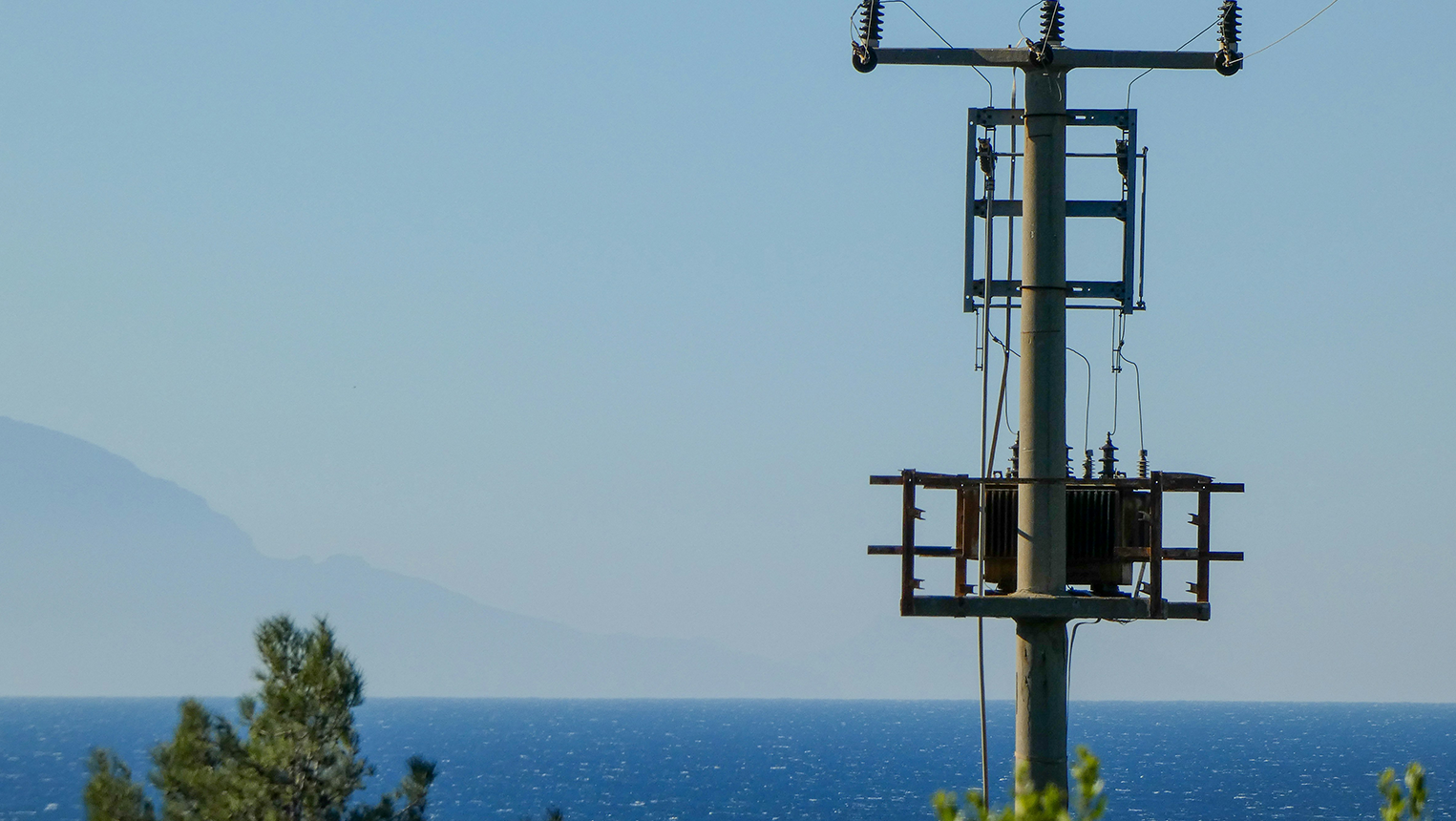
Transformers play a key role in power systems, industrial equipment, and electrical distribution networks. However, transformer overheating is one of the most common problems in electrical systems. If the temperature becomes too high, it can reduce efficiency, damage insulation, and even cause system failure.
So, why does a transformer overheat? More importantly, how can you prevent it? In this article, we will explain the common causes of transformer overheating and share simple prevention methods to improve transformer performance and lifespan.
What Is Transformer Overheating?
Transformer overheating happens when the internal temperature rises above the safe operating range. Normally, transformers generate heat during operation. However, cooling systems and insulation materials are designed to control the temperature.
When the heat cannot escape properly, the transformer temperature increases quickly. As a result, the transformer may suffer from insulation breakdown, oil degradation, or winding damage.
Therefore, understanding the reasons behind transformer overheating is very important for safe and stable operation.
Common Causes of Transformer Overheating
There are several reasons why a transformer may overheat. Some problems come from electrical issues, while others are caused by environmental or maintenance factors.
Overloading Causes Transformer Overheating
Overloading is one of the main causes of transformer overheating. When a transformer carries more load than its rated capacity, the winding current increases. Because of this, the transformer produces more heat than normal.
If the overload continues for a long time, the insulation system may weaken. Eventually, this can shorten the transformer’s service life.
Signs of transformer overload include:
- High operating temperature
- Burning smell
- Unusual noise
- Frequent tripping
To avoid overload problems, operators should monitor the load regularly and use transformers with the correct capacity.
Poor Cooling System Leads to High Transformer Temperature
Transformers depend on cooling systems to remove excess heat. However, when cooling equipment fails, the transformer temperature rises rapidly.
Common cooling problems include:
- Blocked cooling fans
- Dirty radiators
- Low transformer oil level
- Pump failure
- Poor ventilation
Oil-immersed transformers especially rely on transformer oil circulation for heat dissipation. If the oil becomes old or contaminated, cooling efficiency drops significantly.
Therefore, regular cooling system inspection is very important.
Insulation Failure Can Cause Transformer Heat Problems
Transformer insulation separates electrical components and prevents short circuits. However, damaged insulation creates internal heat and electrical stress.
Several factors may damage insulation:
- Aging materials
- Moisture
- Dust contamination
- Voltage surges
- Excessive heat
Once insulation weakens, internal faults may happen. This generates even more heat inside the transformer.
As a result, transformer overheating and insulation failure often happen together.
Harmonic Distortion Increases Transformer Losses
Modern electrical systems often include electronic devices such as:
- Variable frequency drives
- UPS systems
- Computers
- LED lighting
These devices create harmonic currents. Harmonics increase eddy current losses and additional heat inside transformer windings.
Dry-type transformers are especially sensitive to harmonic distortion. Therefore, transformers used in industrial facilities should be designed for harmonic loads.
Installing harmonic filters can also help reduce overheating risk.
Poor Transformer Maintenance Causes Overheating
Lack of maintenance is another major reason for transformer overheating. Small issues can become serious problems when inspections are ignored.
Common maintenance problems include:
- Loose electrical connections
- Dirty transformer surfaces
- Oil leakage
- Corroded terminals
- Faulty temperature sensors
Because of this, preventive maintenance is essential for transformer reliability.
Routine inspections help detect overheating signs before serious damage occurs.
How to Prevent Transformer Overheating
Preventing transformer overheating is much easier and less expensive than repairing damaged equipment. Below are several effective prevention methods.
Use the Correct Transformer Capacity
Choosing the right transformer size is very important. A transformer should match the actual load demand.
If the power demand is too high, operators should:
- Upgrade to a larger transformer
- Add additional transformers
- Balance electrical loads
This helps reduce excessive heating and improves operating efficiency.
Maintain the Transformer Cooling System
Cooling systems should always stay clean and functional.
Important maintenance steps include:
- Cleaning radiators regularly
- Checking fan operation
- Monitoring oil levels
- Replacing old transformer oil
- Improving ventilation around the transformer
Good cooling performance can significantly lower transformer operating temperature.
Monitor Transformer Temperature Regularly
Temperature monitoring helps operators detect overheating early.
Many modern transformers include:
- Temperature sensors
- Alarm systems
- Smart monitoring devices
- Remote monitoring systems
These tools provide real-time temperature data and help prevent serious failures.
Perform Regular Transformer Maintenance
Regular maintenance improves transformer safety and extends equipment life.
A maintenance plan should include:
- Insulation testing
- Oil analysis
- Tightening electrical connections
- Cleaning dust and dirt
- Checking cooling components
At the same time, maintenance records help identify long-term performance trends.
Reduce Harmonic Distortion in Power Systems
Industrial facilities with heavy electronic loads should control harmonics carefully.
Useful solutions include:
- Harmonic filters
- K-rated transformers
- Power quality monitoring
- Balanced load distribution
These methods reduce extra transformer losses and improve efficiency.
Why Transformer Overheating Is Dangerous
Transformer overheating should never be ignored. Excessive heat can cause serious problems, including:
- Reduced transformer lifespan
- Insulation breakdown
- Fire hazards
- Unexpected downtime
- Expensive repairs
- Power system failure
In severe cases, transformer explosions may occur. Therefore, overheating prevention is critical for both safety and operational stability.
Conclusion
Transformer overheating is a common but serious issue in electrical systems. Overloading, cooling failure, insulation damage, harmonics, and poor maintenance are some of the main causes.
Fortunately, proper transformer sizing, regular maintenance, temperature monitoring, and effective cooling systems can greatly reduce overheating risks.
By understanding the causes and prevention methods of transformer overheating, companies can improve transformer efficiency, increase equipment lifespan, and avoid costly downtime.



Copyright © 2026 河北阔宇电力科技有限公司 Ltd. All Rights Reserved. POWERED BY WEIMOBTRADE
