Solar EPC Contractor for Photovoltaic Power Plant Projects
News Details
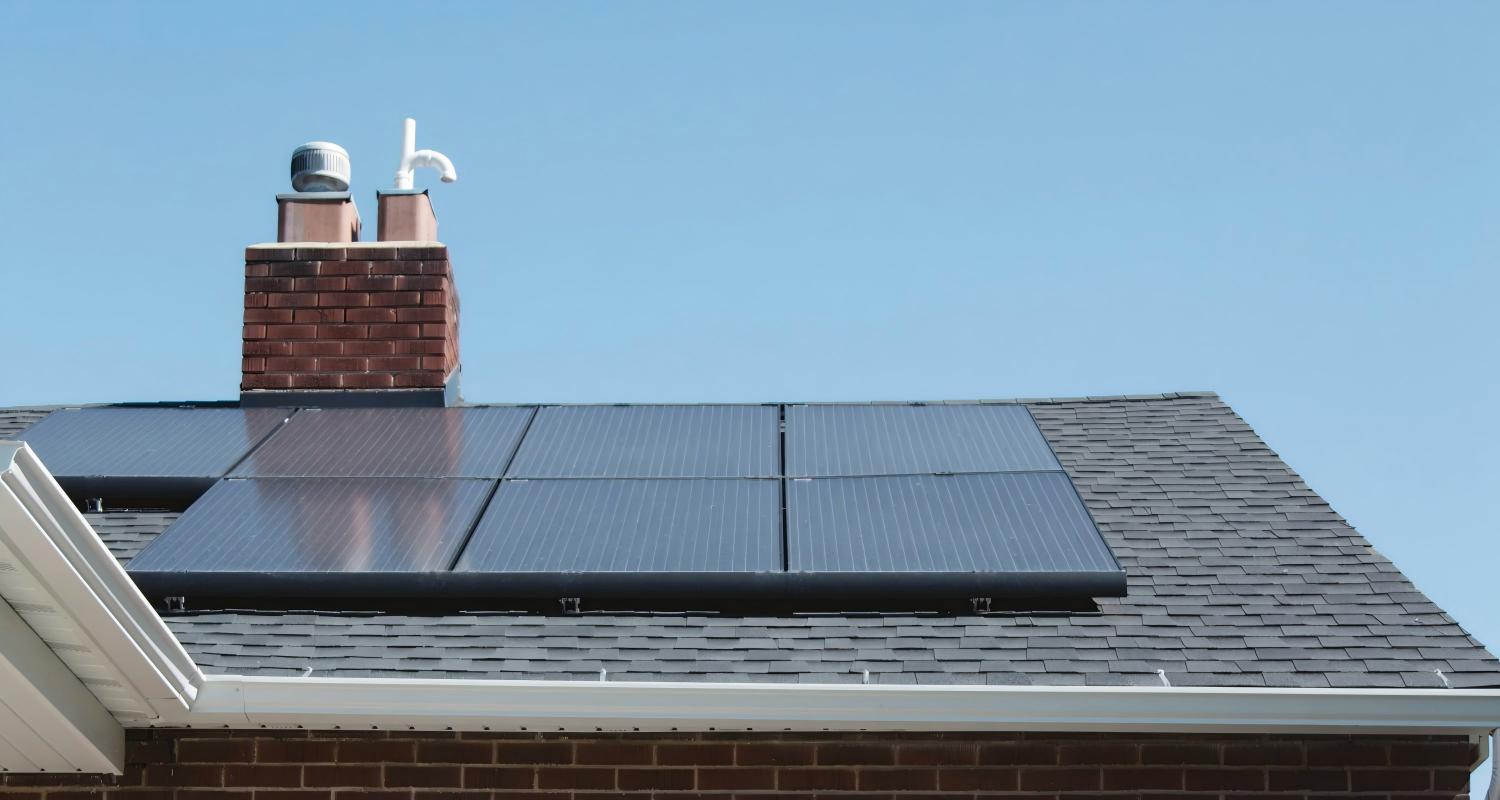
As solar power grows, more businesses and industrial sites are turning to photovoltaic power plants. However, building a solar project takes more than installing solar panels. It also needs careful design, reliable electrical equipment, proper installation, and stable grid connection.
This is where a solar EPC contractor can help. An EPC contractor can manage key stages of a photovoltaic power plant project, from engineering and equipment supply to construction and commissioning. As a result, project owners can save time and reduce coordination work.
At the same time, reliable power distribution equipment is important for safe and stable solar power generation. KUOYUprovides transformers, distribution boxes, distribution cabinets, and pad mounted transformers for renewable energy and power distribution projects.
What Is a Solar EPC Contractor for Photovoltaic Power Plants?
Solar EPC means Engineering, Procurement, and Construction. A solar EPC contractor manages these three main parts of a solar power plant project.
First, the contractor studies the site and designs the photovoltaic system. Next, it selects and supplies the required equipment. Finally, it handles installation, testing, and commissioning.
Therefore, working with one EPC contractor can make project management easier. Instead of dealing with many separate suppliers and contractors, the project owner can work with one main partner.
A typical solar EPC project may include:
- Site and power demand assessment
- Solar system design
- Electrical system design
- Equipment selection
- Equipment procurement
- Installation and construction
- Testing and commissioning
- Grid connection support
- Project inspection and handover
How Solar EPC Contractors Support Solar Power Plant Projects
A good solar EPC contractor should provide support throughout the project. Each stage also affects the final performance of the photovoltaic power plant.
Solar Power Plant Engineering and Design
The first step is project planning. The EPC contractor reviews the site, power demand, available space, and grid conditions.
Then, the contractor develops the system design. This may include the solar array, inverter system, transformers, distribution equipment, cables, protection devices, and monitoring systems.
Good design helps improve energy output while keeping the system safe and reliable.
Photovoltaic Equipment Procurement
Next, the EPC contractor selects the equipment needed for the project. Product quality matters because solar power plants often operate for many years.
For example, transformers and distribution equipment must match the voltage, capacity, and operating conditions of the project.
Therefore, equipment should be selected based on both current needs and long-term project goals.
Solar Power Plant Installation
After equipment arrives, the construction team installs the solar and electrical systems.
This stage requires careful work. Electrical equipment must be installed correctly, and connections must meet project requirements. In addition, the site layout should allow easy operation and maintenance.
As a result, professional installation can help reduce safety risks and future maintenance problems.
Testing and Commissioning
Before a photovoltaic power plant starts operation, the system needs to be tested.
The EPC team checks electrical connections, protection systems, transformers, distribution equipment, and other key components. The system can then be commissioned after the required tests are completed.
This final step helps make sure the solar plant can operate safely and reliably.
Why Reliable Electrical Equipment Matters in Solar EPC Projects
Solar panels generate DC power, while most commercial and industrial facilities use AC power. Therefore, electrical equipment plays an important role in connecting solar generation to the power system.
Transformers can help change voltage levels for transmission or local use. Distribution cabinets and boxes can manage and protect electrical circuits. Meanwhile, outdoor projects may need compact and weather-resistant equipment.
For this reason, choosing the right electrical equipment is an important part of solar EPC planning.
KUOYU Solar Power Equipment for Photovoltaic Projects
KUOYU is a manufacturer of high and low voltage electrical equipment. Founded in 2017, the company has a 20,000-square-meter production facility and ISO 9001 certification. The company focuses on reliable electrical equipment and customized solutions.
KUOYU products can support different parts of photovoltaic power plant and renewable energy projects.
Pad Mounted Transformer for Solar Power Projects
A Pad Mounted Transformer is a practical choice for outdoor power distribution. It has a compact and enclosed design, making it suitable for solar power projects and other outdoor applications.
KUOYU pad mounted transformers are designed for stable power transmission, good insulation, low energy loss, and long service life. More importantly, the size, voltage, capacity, structure, and configuration can be customized according to project needs.
This makes them suitable for photovoltaic projects with different power and installation requirements.
Oil Immersed Transformer for Photovoltaic Power Plants
Oil immersed transformers are widely used in power distribution and renewable energy applications. They provide effective cooling and stable voltage output.
KUOYU oil immersed transformers are designed for reliable long-term operation and low energy loss. Therefore, they can be used as part of the electrical system in large solar power and industrial projects.
Distribution Cabinet for Solar Electrical Systems
A distribution cabinet helps manage and protect electrical circuits. In a photovoltaic power plant, it can be used as part of the power distribution system.
KUOYU distribution cabinets use sturdy structures and are designed for safe and stable power distribution. They can also be customized in terms of size, structure, color, and internal configuration.
This flexibility is useful when a solar project has specific layout or electrical requirements.
Distribution Box for Photovoltaic Systems
A distribution box can help organize and protect circuits in commercial, industrial, and renewable energy systems.
KUOYU distribution boxes can be customized in size, structure, material, color, and internal configuration. As a result, they can fit different photovoltaic installation environments and project designs.
Key Benefits of Choosing a Solar EPC Contractor
Choosing the right EPC partner can make a major difference to a photovoltaic power plant project.
One Project Partner
An EPC contractor can coordinate engineering, equipment procurement, installation, and commissioning. This reduces the need for the project owner to manage many different suppliers.
Better Project Coordination
Because the EPC contractor manages several project stages, design and construction teams can work more closely together. This can help reduce delays caused by poor communication.
Reliable Equipment Selection
An experienced contractor understands how different electrical components work together. Therefore, it can select transformers, distribution equipment, and other components based on actual project requirements.
Easier Project Management
A complete EPC solution can simplify project planning, installation, testing, and handover. This is especially useful for large commercial and industrial photovoltaic projects.
How to Choose a Solar EPC Contractor
Before selecting a solar EPC contractor, project owners should consider several factors.
First, check the contractor's experience with photovoltaic power plant projects. Next, review its engineering and construction capabilities.
It is also important to check the quality of the electrical equipment used in the project. Reliable transformers and distribution equipment can support stable operation over the long term.
In addition, consider whether the contractor can provide customized solutions. Every solar project has different site conditions, power requirements, and grid needs.
Finally, communication and after-sales service should not be overlooked. A reliable project partner should provide support before, during, and after installation.
Why Choose KUOYU for Solar Power Electrical Equipment?
KUOYU focuses on high and low voltage electrical equipment and customized power solutions. The company provides factory-direct supply, professional service, reliable quality, and customized solutions.
Its product range includes oil immersed transformers, pad mounted transformers, distribution cabinets, and distribution boxes. These products can support commercial, industrial, infrastructure, and renewable energy applications.
For solar EPC contractors and photovoltaic project developers, customized electrical equipment can help meet different voltage, capacity, layout, and installation requirements.
Conclusion
A solar EPC contractor plays an important role in the development of photovoltaic power plant projects. From engineering and procurement to installation and commissioning, professional EPC support can make the project easier to manage.
At the same time, reliable electrical equipment is essential for safe and stable solar power distribution. KUOYU provides transformers, distribution cabinets, distribution boxes, and pad mounted transformers for renewable energy and other power projects.
With customized equipment and factory-direct supply, KUOYU can support different photovoltaic power plant requirements and help solar projects build a reliable electrical system.


