
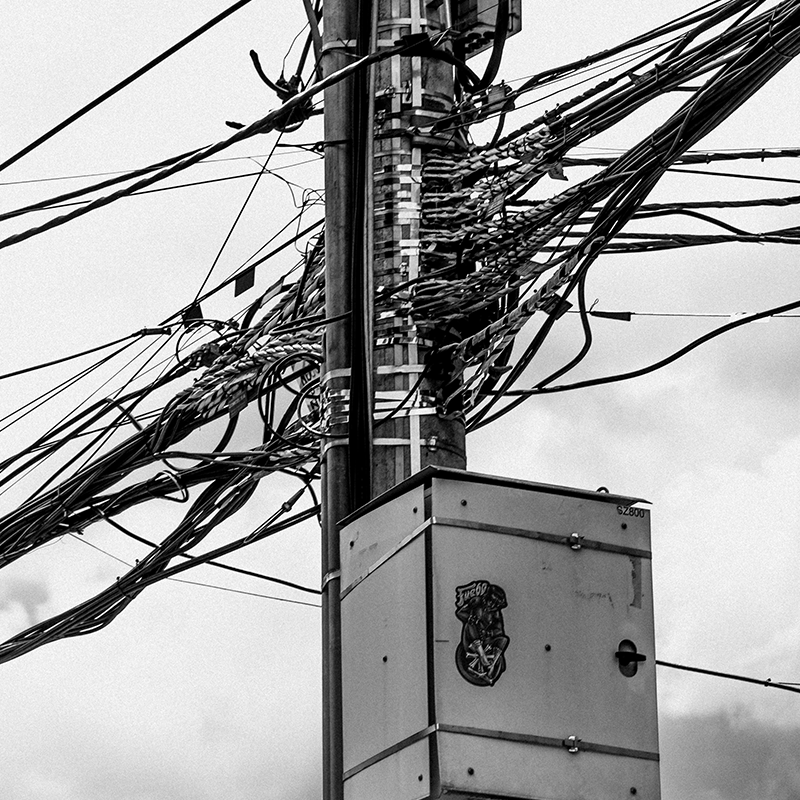
Old transformers waste a lot of power. In fact, they lose energy every single day, even when no machines are running. That is like leaving a tap dripping. Therefore, upgrading to energy saving transformer technology for modern electrical systems is a smart move. This new tech cuts waste, lowers bills, and helps the planet. Plus, it keeps your power stable and clean. So, let us explore how these transformers work, why they matter, and how you can make the switch.
What Makes Energy Saving Transformer Technology Different for Modern Electrical Systems
First, you need to know where old transformers lose energy. There are two main types of loss. The first is core loss. This happens all the time, even when the transformer is idle. The second is copper loss. This happens when power flows through the wires. Traditional transformers use materials like standard steel. Consequently, they waste 2% to 5% of the energy that passes through them. That adds up quickly.
In comparison, energy saving transformer technology for modern electrical systems uses better materials and smarter designs. For example, amorphous metal cores reduce core loss by up to 70%. Likewise, advanced winding techniques cut copper loss. As a result, these transformers can reach 99% efficiency. That means almost no energy is wasted. For a factory running 24/7, this saves thousands of dollars each year.
Top Benefits of Using Efficient Transformer Technology in Modern Electrical Systems
Why should you upgrade? Here are the clear benefits of efficient transformer solutions.
1. Lower Electricity Bills
First, less waste means less money spent. A typical 1,000 kVA transformer with 99% efficiency saves about 10,000 kWh per year compared to an old 96% model. That is real cash back in your pocket.
2. Reduced Carbon Footprint
Second, saving energy is good for the environment. Every kWh you do not waste means less coal or gas burned at the power plant. Therefore, you can meet green goals more easily.
3. Cooler Operation
Third, energy saving transformers run cooler. Old transformers waste energy as heat. That heat stresses the equipment and requires extra cooling fans or air conditioning. New tech stays cooler, so you save twice.
4. Longer Equipment Life
Fourth, lower heat means less damage to internal parts. Insulation lasts longer. Oil stays cleaner. Consequently, your transformer may last 10 to 15 years longer than a standard model.
5. Stable Voltage for Sensitive Electronics
Finally, modern factories and data centers need clean, stable power. Energy saving transformer technology provides better voltage regulation. As a result, your computers, robots, and servers run without glitches.
Amorphous Metal Transformers: A Leading Energy Saving Transformer Technology
One of the best examples of energy saving transformer technology is the amorphous metal transformer. Unlike traditional steel, amorphous metal has a random atomic structure. This unusual structure makes it very hard for magnetic fields to create heat. In fact, amorphous metal cuts core loss by 70% to 80%.
However, there is a trade-off. Amorphous metal is thinner and more brittle. Therefore, these transformers cost a bit more upfront. But the payback period is often only 2 to 4 years. After that, you enjoy pure savings for the next 20 to 30 years. For modern electrical systems that run continuously, this is an excellent choice.
Smart Transformers Bring Digital Efficiency to Modern Electrical Systems
Another exciting development is the smart transformer. This is energy saving transformer technology with a brain. Built-in sensors track temperature, load, and voltage in real time. Then, the transformer adjusts itself to run at peak efficiency. For instance, if the factory is running light loads overnight, the smart transformer reduces its own losses automatically.
Moreover, smart transformers send alerts to your phone or computer. You get a warning before a problem becomes a failure. This prevents costly downtime. In short, smart transformers do not just save energy. They also save you from headaches and emergency repairs. Therefore, they are perfect for modern electrical systems that cannot afford to stop.
How to Retrofit Energy Saving Transformer Technology into Existing Modern Electrical Systems
You do not always need to replace everything. Here is a simple step-by-step guide to upgrade your modern electrical systems with efficient transformers.
- Audit your current transformers – First, identify the oldest, least efficient units. Focus on those that run 24/7, as they waste the most energy.
- Calculate the savings – Next, compare the efficiency rating of your old transformer (e.g., 96%) with a new energy saving model (e.g., 99%). Multiply the 3% saving by your electricity rate and operating hours. This shows your payback period.
- Choose the right technology – Then, decide between amorphous metal (best for continuous light to medium loads) or a smart transformer (best for variable loads and high reliability needs).
- Hire a qualified installer – After that, work with an experienced electrician or engineering firm. They will ensure the new transformer matches your voltage and fault current requirements.
- Recycle the old transformer – Finally, sell or recycle your old unit. The copper and steel have scrap value, which offsets some of the upgrade cost.
Real World Example: How a Factory Cut Energy Use by 12%
Let me share a real example. A mid-sized auto parts factory in Ohio had five old dry-type transformers. Each was 96% efficient and ran three shifts. Their total annual energy bill was $500,000. After studying their options, they replaced three of the five units with amorphous metal transformers (99% efficient). The other two units were replaced with smart transformers for their robotic welding lines.
The result? Their total energy use dropped by 12% in the first year. That saved 60,000annually.Theprojectcost
60,000annually.Theprojectcost180,000. So, the payback period was exactly three years. After that, the savings went straight to their bottom line. Plus, their plant ran cooler, so they saved another $5,000 per year on air conditioning. This shows that energy saving transformer technology for modern electrical systems pays for itself.
Common Myths About Energy Saving Transformer Technology
Some people hesitate to upgrade because of old myths. Let me clear those up right now.
- Myth 1: "Energy saving transformers are too expensive."
- Fact: They cost more upfront, but the payback is usually 2–5 years. Over 25 years, you save many times the initial cost.
- Myth 2: "They only help under heavy load."
- Fact: Energy saving transformer technology, especially amorphous metal, saves the most during light or no load. That is when old transformers are most wasteful.
- Myth 3: "They are hard to find or install."
- Fact: Major manufacturers offer these models as standard products. Installation is the same as any other transformer.
How to Choose the Right Efficient Transformer for Your Modern Electrical Systems
Picking the best efficient transformer depends on your unique situation. Here are three simple questions to ask yourself.
- What is your load pattern?
- Constant, 24/7 load? Choose amorphous metal.
- Variable load with peaks and valleys? Choose a smart transformer.
- How sensitive is your equipment?
- Computers, medical devices, or robots? Smart transformers with voltage regulation are best.
- Lights, motors, and heaters? A standard energy saving model works fine.
- What is your budget and payback goal?
- Need fast payback (under 3 years)? Focus on replacing your oldest, most-run transformers first.
- Have a longer view (5+ years)? Replace all units with the highest efficiency models.
The Future of Energy Saving Transformer Technology for Modern Electrical Systems
New developments are coming fast. For example, researchers are testing superconducting transformers. These have zero electrical resistance. Therefore, they waste almost no energy at all. However, they need extreme cooling today. That makes them costly.
Another trend is digital twin technology. This creates a virtual copy of your transformer in a computer. Engineers can then test different operating conditions without touching the real unit. This helps predict failures and optimize efficiency even further.
Finally, grid-interactive transformers will communicate directly with the power company. They will adjust their performance to help balance the overall grid. For instance, during peak demand, they might temporarily reduce output to prevent blackouts. This turns your transformer from a passive device into an active helper for modern electrical systems.
Conclusion
To sum up, upgrading to energy saving transformer technology for modern electrical systems is one of the best investments you can make. It cuts your electricity bills, reduces heat, extends equipment life, and helps the environment. Two standout options are amorphous metal transformers (for constant loads) and smart transformers (for variable loads and high reliability). The upfront cost is higher, but the payback is fast, often 2 to 5 years. Do not let old myths hold you back. Start with an energy audit today. Then, replace your oldest, least efficient transformer. Your wallet and the planet will thank you.



Copyright © 2026 河北阔宇电力科技有限公司 Ltd. All Rights Reserved. POWERED BY WEIMOBTRADE
