Dry Type vs Oil Immersed Transformer: Which One Is Better?
News Details
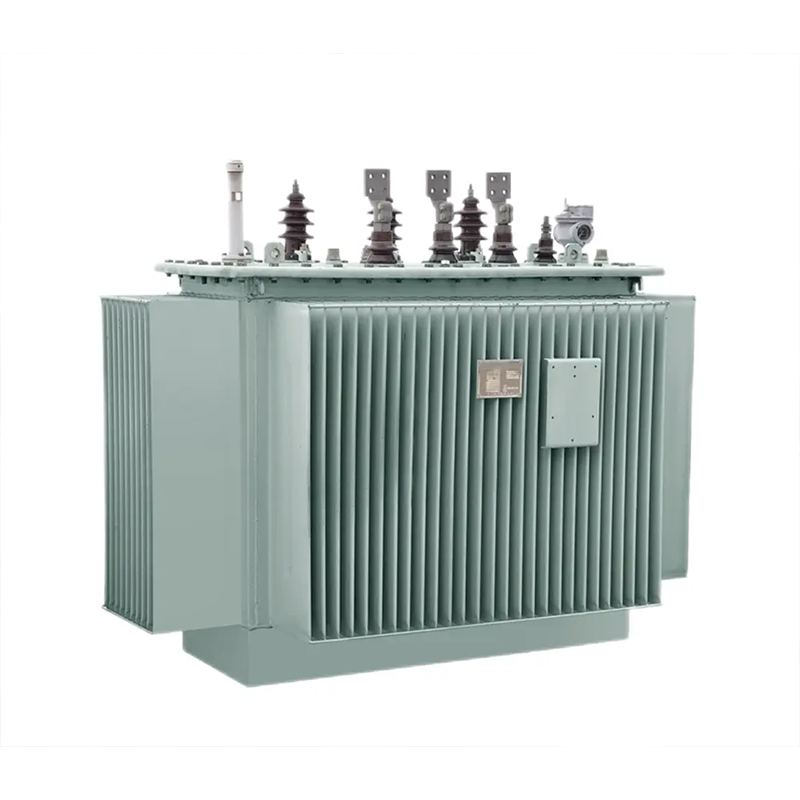
Transformers are important in power distribution systems. They help move electricity safely and efficiently from one voltage level to another. However, when choosing a transformer, many buyers ask the same question: dry type vs oil immersed transformer — which one is better?
The answer depends on your project, environment, safety needs, and budget. Both transformer types have their own strengths and uses. In this guide, we will compare dry type transformers and oil immersed transformers in a simple and clear way. This will help you choose the right transformer for your business or industrial application.
What Is a Dry Type Transformer?
A dry type transformer uses air instead of oil for cooling. Its windings are protected with resin or special insulation materials. Because it does not contain oil, it is often considered safer and cleaner.
Dry type transformers are commonly used indoors, especially in places where fire safety matters.
Main Features of Dry Type Transformers
· Air-cooled design
· No insulating oil
· Low fire risk
· Easy indoor installation
· Lower environmental risk
Common Applications of Dry Type Transformers
· Commercial buildings
· Hospitals
· Shopping malls
· Schools
· Data centers
· Renewable energy systems
What Is an Oil Immersed Transformer?
An oil immersed transformer uses insulating oil for cooling and insulation. The transformer core and windings are fully submerged in oil. This oil helps transfer heat away from the transformer quickly.
Oil immersed transformers are widely used in outdoor and heavy-duty power systems because they offer high efficiency and strong cooling performance.
Main Features of Oil Immersed Transformers
· Oil-based cooling system
· Better heat dissipation
· High power capacity
· Long service life
· Suitable for outdoor use
Common Applications of Oil Immersed Transformers
· Power plants
· Industrial factories
· Utility substations
· Mining operations
· Large manufacturing facilities
Dry Type vs Oil Immersed Transformer: Key Differences
When comparing dry type and oil immersed transformers, several factors are important.
Cooling Method
The biggest difference is the cooling system.
· Dry type transformers use air cooling.
· Oil immersed transformers use insulating oil cooling.
Because oil transfers heat better than air, oil immersed transformers usually handle larger loads more efficiently.
Dry Type vs Oil Immersed Transformer Safety Comparison
Safety is one of the main reasons many companies choose dry type transformers.
Dry Type Transformer Safety Advantages
· No oil leakage
· Lower fire risk
· Less environmental pollution
· Better for indoor spaces
Oil Immersed Transformer Safety Considerations
· Oil may leak if damaged
· Higher fire risk compared to dry type models
· Requires proper maintenance and monitoring
However, modern oil immersed transformers also include advanced protection systems, making them much safer than older models.
Dry Type vs Oil Immersed Transformer Efficiency
Efficiency is another important factor when selecting a transformer.
Oil Immersed Transformer Efficiency Benefits
Oil immersed transformers usually provide:
· Better cooling performance
· Lower energy loss
· Higher overload capacity
· Better performance in high-power applications
Dry Type Transformer Efficiency
Dry type transformers are efficient too, but they may generate more heat under heavy loads. Therefore, they are often used for smaller or medium-sized applications.
Dry Type vs Oil Immersed Transformer Maintenance Requirements
Maintenance costs can affect long-term operating expenses.
Dry Type Transformer Maintenance
Dry type transformers generally need less maintenance because there is no oil testing or oil replacement.
Typical maintenance includes:
· Dust cleaning
· Ventilation checks
· Electrical inspections
Oil Immersed Transformer Maintenance
Oil immersed transformers require regular:
· Oil testing
· Leak inspection
· Cooling system checks
· Moisture monitoring
As a result, oil immersed transformers usually need more maintenance work.
Dry Type vs Oil Immersed Transformer Installation Environment
The installation location also plays a major role.
Best Environment for Dry Type Transformers
Dry type transformers are ideal for:
· Indoor installations
· Areas with limited ventilation
· Fire-sensitive locations
· Public buildings
Best Environment for Oil Immersed Transformers
Oil immersed transformers work best in:
· Outdoor installations
· Industrial areas
· Large power distribution systems
· High-load environments
Dry Type vs Oil Immersed Transformer Cost Comparison
Cost is often a deciding factor for buyers.
Dry Type Transformer Cost
Dry type transformers usually have:
· Higher initial purchase costs
· Lower maintenance costs
· Lower installation risk costs
Oil Immersed Transformer Cost
Oil immersed transformers often provide:
· Lower upfront costs
· Better value for large-capacity systems
· Higher maintenance expenses over time
For large industrial applications, oil immersed transformers are usually more cost-effective.
Which Transformer Lasts Longer?
Service life depends on maintenance, operating conditions, and load management.
Oil Immersed Transformer Lifespan
Because oil provides excellent cooling and insulation, oil immersed transformers often have a longer operating life.
Dry Type Transformer Lifespan
Dry type transformers also offer long service life, especially in clean indoor environments. However, excessive heat and poor ventilation may reduce lifespan over time.
Which Transformer Is Better for Industrial Applications?
For heavy industrial use, oil immersed transformers are often preferred because they:
· Handle larger capacities
· Perform better under continuous loads
· Offer stronger cooling efficiency
However, dry type transformers are better when safety, indoor installation, and environmental concerns are top priorities.
How to Choose Between Dry Type and Oil Immersed Transformers
Before choosing a transformer, consider these factors:
Choose a Dry Type Transformer If You Need
· Indoor installation
· Low fire risk
· Low maintenance
· Environmentally friendly operation
· Safer public-area installation
Choose an Oil Immersed Transformer If You Need
· High power capacity
· Better overload performance


